Seller Closing Costs: What to Factor In Before You List
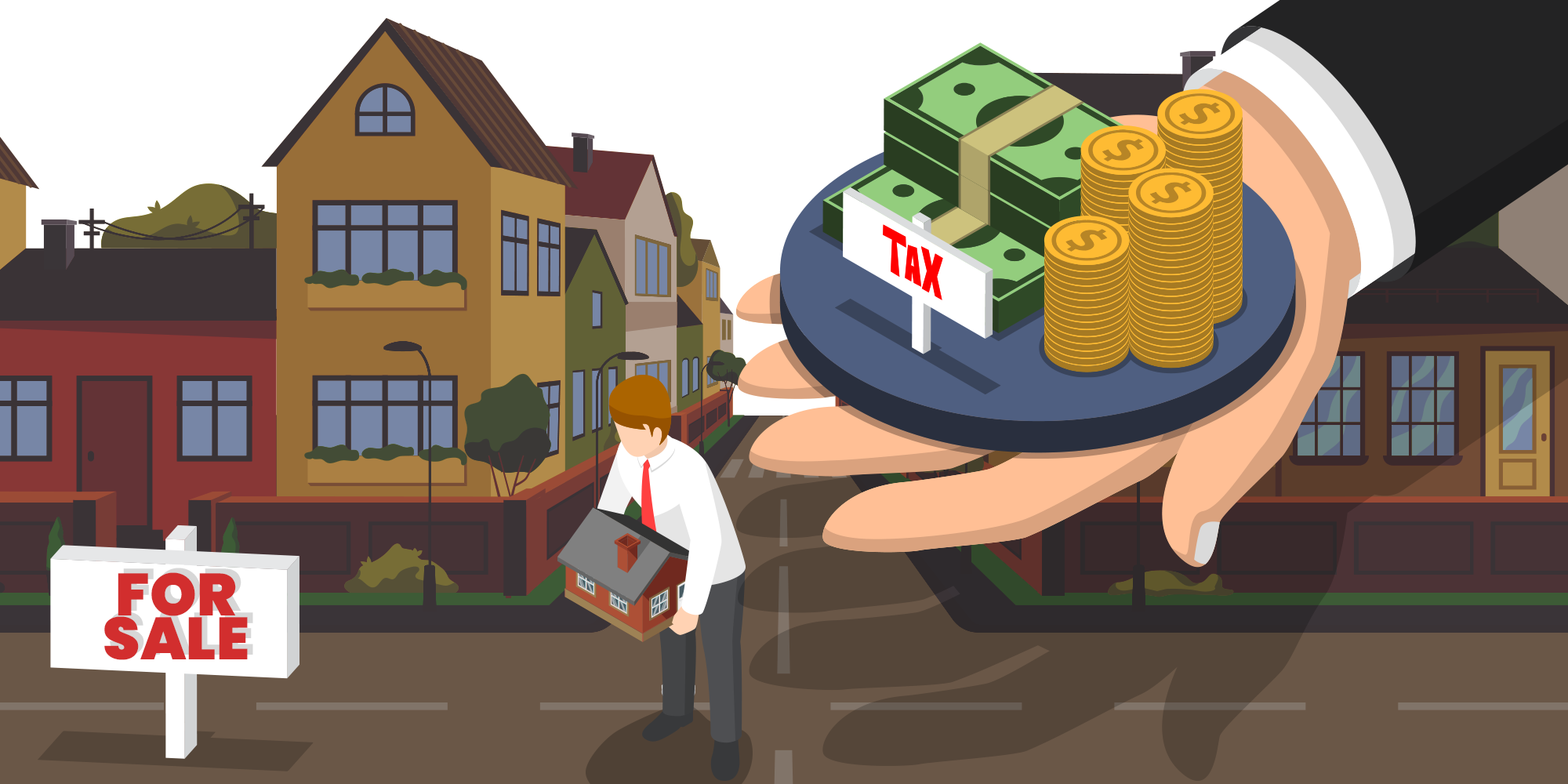

If you're thinking about selling your home this year, don't forget to factor seller closing costs into your expected proceeds before you start counting profit.
You'll see different numbers thrown around — some sources cite 2-5% of the sale price, others cite 8-10%. Both can be right. It depends on whether the estimate includes your agent's commission. Closing costs on their own (title fees, transfer tax, escrow, prorations) typically run 2-5% of the sale price, per Freddie Mac. Add the 4-6% real estate commission on top, and total seller costs at closing land closer to 8-10% — which is the number Zillow and others cite when they say "closing costs" more loosely.
Real Estate Commission
For most sellers, this is the single largest cost at closing. A typical commission runs 4-6% of the sale price, split between the listing agent and the buyer's agent. Commission is negotiable and worth discussing directly with your listing agent up front — and it's also the reason FSBO (For Sale By Owner) sales carry more risk than they might seem to save: without a professional managing pricing, negotiation, and paperwork, sellers often net less, not more.
Transfer Tax
Most states and local governments charge some form of transfer tax — sometimes called a deed transfer tax or documentary stamp tax — a one-time fee for transferring the property title from you to the buyer. The cost varies by location and is typically based on sale price. Not every state charges this tax.
Title-Related Fees
In most markets, the seller pays for the buyer's owner's title insurance, which protects the new owner against future ownership disputes or claims. It's a one-time payment, typically ranging from a few hundred dollars up to $1,500 or more depending on sale price and location.
Attorney Fees
Some states require a real estate attorney to handle the closing — the sale legally can't close without one. Even where it's not required, many sellers choose to hire one, especially for complex transactions involving distressed properties or inherited homes. Attorney fees typically range from $150-$350 per hour, or a flat fee depending on scope.
Escrow / Settlement Fees
An independent third party (the escrow or settlement company) holds and manages the funds changing hands, along with signing and recording the closing documents. These fees typically range from $300-$700 or more, and can include additional line items for document prep, notarization, recording, and wire transfers.
Prorated Property Taxes
Property taxes must be current before you hand over the keys. You're responsible for taxes accrued up to your closing date — the buyer takes over from there — which may mean bringing money to closing to get current, depending on timing.
Mortgage Payoff
If you still owe on the property, that balance gets paid off as part of closing. Ask your lender directly whether a prepayment penalty applies to your loan before you assume the payoff amount is simply your remaining balance.
HOA Fees
If your home is in an HOA, dues need to be current as of closing, and some associations charge their own transfer fee on top. Check with your HOA directly so this doesn't catch you by surprise.
Seller Concessions
In a buyer's market, or simply to make a deal work, sellers often agree to cover some of the buyer's closing costs or repair costs after inspection — this is a seller concession or credit. Government-backed loans like FHA have limits on how much a seller can concede, so this isn't unlimited. Any concessions you agree to are also due at closing.
What This Looks Like in Practice
You typically won't know your exact closing cost total until about three business days before closing, when you'll receive a closing (or settlement) statement with an itemized breakdown. Ask your agent for a seller's net sheet early in the process — it's an unofficial but genuinely useful estimate of your total closing costs and expected proceeds, so you're not guessing.
Want an Accurate Estimate Before You List?
We can walk you through what your specific closing costs are likely to look like — commission included — before you decide on a listing price.
Give us a call at 904-503-0672 or email info@crossviewrealty.com. You can also learn more at crossviewrealty.com.
Frequently Asked Questions
Q: How much are closing costs when selling a house? A: Closing costs alone (title fees, transfer tax, escrow, prorations) typically run 2-5% of the sale price. Add the 4-6% real estate commission, and total seller costs at closing usually land around 8-10% of the sale price.
Q: Do seller closing costs include the real estate commission? A: It depends on the source. Some estimates quote closing costs separately from commission (2-5%); others combine them into a single figure (8-10%). Ask your agent which number you're looking at so you're budgeting accurately.
Q: Who pays the title insurance when selling a home? A: In most markets, the seller pays for the buyer's owner's title insurance. Cost typically ranges from a few hundred dollars to $1,500 or more, depending on the sale price and location.
Q: What are seller concessions? A: A seller concession is when you agree to cover part of the buyer's closing costs or requested repairs, often to make a deal work in a buyer's market. Government-backed loans like FHA cap how much a seller can concede.
Q: When do I find out my exact closing costs as a seller? A: You typically receive an itemized closing statement about three business days before closing. Ask your agent for a seller's net sheet earlier in the process for a working estimate of your proceeds.