How to Check the Age of a Roof, HVAC, and Water Heater Before You Buy a Home
How do you figure out the real age of a home’s major systems — and how do you make sure you’re not walking into a big surprise after closing?
If you’re buying a home in Northeast Florida, you already know that things like roof age, HVAC age, and water heater age matter a lot. They affect insurance, inspection reports, repair costs, and sometimes even whether your loan can move forward.
The good news? There are a few simple tools and tricks you can use to get a much clearer picture — before you fall in love with a home.
Why Buyers Always Ask About Roof, HVAC, and Water Heater Age
It’s simple: these systems are expensive.
And in Florida, they matter even more because of insurance requirements and our climate.
Roofs have stricter age expectations than almost anywhere else in the country.
HVAC systems run harder here than in cooler states.
Water heaters carry insurance limitations if they get too old.
So knowing their ages early on helps you decide whether the home is truly a good fit — or whether you’re about to inherit someone else’s deferred maintenance.
How to Find the Age of the HVAC System and Water Heater
There’s a fantastic website that every buyer should bookmark:
👉 https://www.building-center.org/
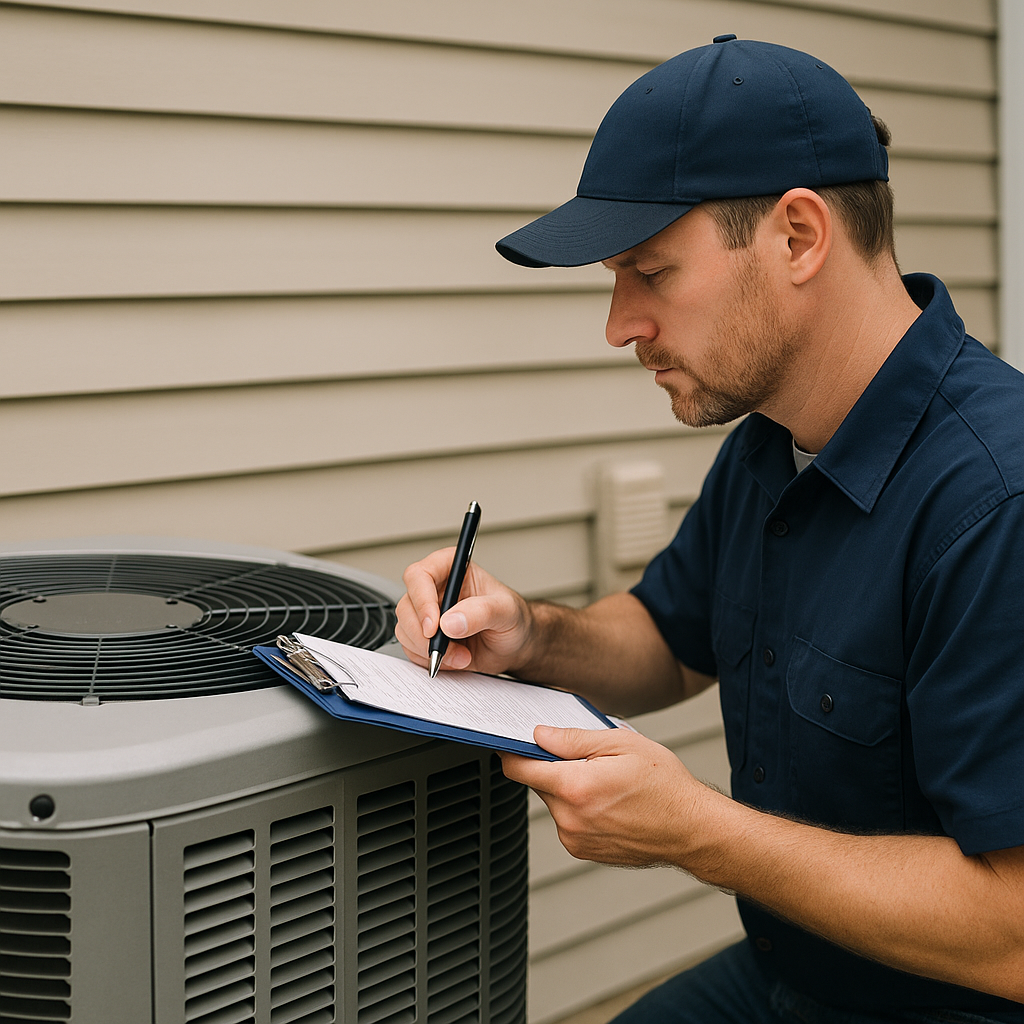
This site helps you decode the serial numbers on most major brands of HVAC systems and water heaters.
All you need is:
The brand
The serial number
Every manufacturer formats their serial numbers differently, and this tool breaks it all down for you. Some brands hide the age in the first two digits, some mix letters and numbers, and others tuck the year deeper into the sequence. But within each brand, the method is consistent — so once you know how to read it, you’re good to go.
If the listing or seller doesn’t know the age of a system, this tool is often the fastest and most accurate way to find out.
How to Check Roof Age Using County Permits
Roofs are a bit different. To verify the age, you want to look for roofing permits in the county’s permit database.
Most counties mark roofing permits with an “R”, and a roof replacement will usually show things like:
The date of replacement
Whether it was a full roof or partial replacement
The approximate cost
Which contractor completed the work
This helps you see:
Was it truly a full replacement, or a patch?
Does the timeline make sense with the seller’s claims?
Does the roof meet current insurance requirements?
Important: Not all counties have complete online records, especially older ones. So if you don’t see a roofing permit online, it could mean one of three things:
The permit wasn’t digitized or uploaded
The roof is older than the online records
The roof was replaced without a permit
That third option can become a serious issue when it comes to insurance and inspections.
Why Unpermitted Roofs Are a Big Red Flag
If a roof was replaced without a permit, insurance companies may:
Refuse to write a policy
Require a full replacement
Charge higher premiums
And if a seller added new shingles on top of old shingles, that’s an even bigger problem.
Stacked shingles (“double roofs”) can:
Cost more to replace because both layers must be removed
Hide underlying damage
Trap moisture
Shorten the lifespan of the new shingles
If you see no roofing permit AND the roof looks newer, you might be looking at a non-permitted replacement.
Why This Matters for You as a Buyer
Major system ages affect:
Insurance approval
Loan approval
Inspection results
Big-ticket repair costs
Long-term maintenance
Negotiation power
The more you know upfront, the safer — and smarter — your offer will be.
And when you’re buying in Northeast Florida, where insurance is strict and the climate is tough, these details can make or break a deal.
Final Takeaway
A home can be beautiful, updated, and staged perfectly… but if the roof, HVAC, or water heater are at the end of their lifespan, you need to know that before you’re financially committed.
Using tools like permit databases and serial-number decoders can save you thousands — and protect you from unwanted surprises after closing.
Want an Agent Who Actually Knows How to Spot These Things?
Work with a Realtor who knows their stuff — someone who checks permits, knows how to read serial numbers, and understands how these systems impact inspections, insurance, and negotiations.
Call CrossView Realty and we’ll connect you with an agent who can guide you through this with confidence.
📞 904-503-0672
📧 info@crossviewrealty.com