Florida Real Estate Title Scams: What Every Homeowner Needs to Know About Title Fraud in 2026
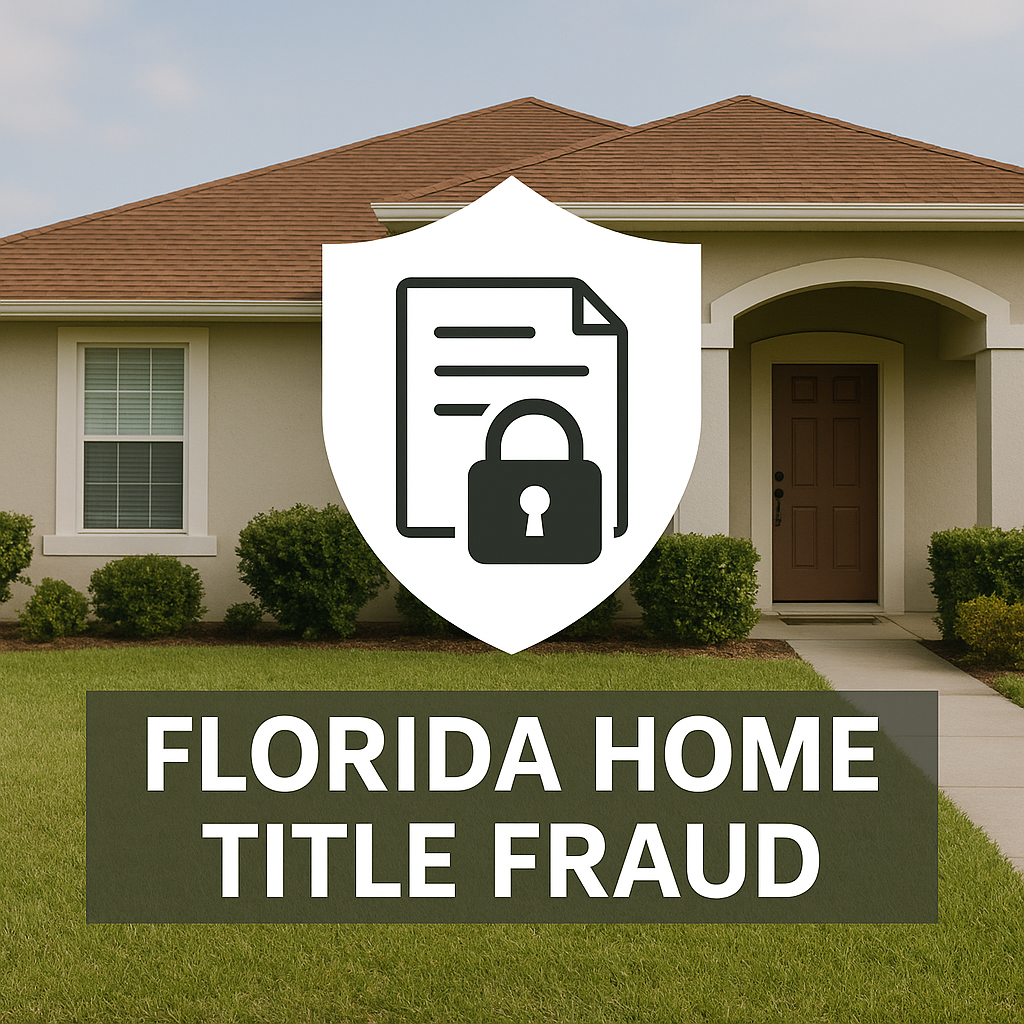
What is title fraud, and how can you protect your home from real estate scams in Florida?
Title fraud happens when someone illegally transfers, sells, or takes out loans against your property without your knowledge — and yes, it’s happening right here in Florida.
The short answer?
You protect yourself by staying informed, paying attention, and signing up for your county’s free fraud-alert system. It’s fast, it’s simple, and it gives you a real layer of protection.
Why Title Fraud Is Becoming a Bigger Issue in Florida
Here’s the deal: Florida continues to be one of the most attractive states for relocation and investment, and anytime you have that combination, scammers see opportunity. And because public records are… well, public… it’s surprisingly easy for the wrong person to try something shady.
That doesn’t mean you need to panic. It just means you need to stay ahead of it.
So, let’s break it down in plain English.
How Title Fraud Typically Works
Most Florida real estate title scams follow a few common patterns:
Someone forges your name on a deed or transfer document.
They record it with the county, which makes it look official.
They try to sell the home, rent it, or use it as collateral.
You don’t know until something big happens — a notice, a knock at the door, or a letter from a lender.
You may think, “Who would fall for that?”
But here’s the truth: scammers often target:
Vacant land
Rental properties
Second homes
Homes with no mortgage
Properties owned by out-of-state residents
And even if you do catch it quickly, unwinding fraudulent documents can take time, energy, and more patience than you thought you had on a Monday morning.
Warning Signs of Potential Title Fraud
You’re going to want to keep an eye out for things like:
Mail from lenders you don’t recognize
Notices about transactions you didn’t start
Sudden changes in your property records
Missing bills or changes of address you didn’t request
Emails or calls asking for “verification” of ownership
If anything feels off, trust that instinct. You know your property better than anyone.
Your Best Protection: Register for Your County’s Fraud-Alert System
Every homeowner in Northeast Florida should do this — even if you don’t think you’ll ever be targeted. These systems notify you if any document is filed under your name or your property’s legal description.
It’s free, it’s fast, and it could save you from a nightmare.
Here are the direct sign-up links for homeowners in our area:
Duval County Fraud Alert: https://www.propertyfraudalert.com/FLDuval
Clay County Fraud Alert: https://trieshield.com/Agency/Disclaimer?AgencyCode=12019
St. Johns County Fraud Alert: https://apps.stjohnsclerk.com/Landmark/FraudAlert
Nassau County Fraud Alert: https://www.propertyfraudalert.com/FLNassau
Take two minutes and register — you’ll feel better afterward, I promise.
What to Do If You Think Something Is Wrong
If something doesn’t look right, here’s the simple order of operations:
Don’t wait.
Contact your county clerk to verify recent filings.
Call a real estate attorney if anything seems off.
Reach out to a trusted local agent (hi, that’s us) for guidance and next steps.
Now remember… title fraud is stressful, but it’s also preventable. Awareness goes a long way.
Final Takeaway
Title fraud isn’t just a “big city” problem or something that happens to somebody else. It’s real, it’s happening in Florida, and the best thing you can do is stay proactive. If you’re a homeowner in Duval, Clay, St. Johns, or Nassau County, signing up for your fraud-alert service is one of the easiest ways to protect one of your biggest investments.
Ready to Protect Your Property?
If you have questions about your home, your title, or anything happening in the Northeast Florida market, we’re here to help.
Give CrossView Realty a call at 904-503-0672 or email info@crossviewrealty.com anytime.
Would you like me to generate a custom image to go with this post?