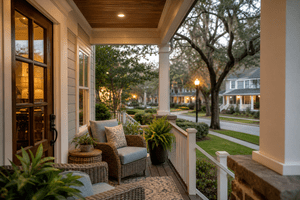
How to Sell a Historic Home in Jacksonville, Florida
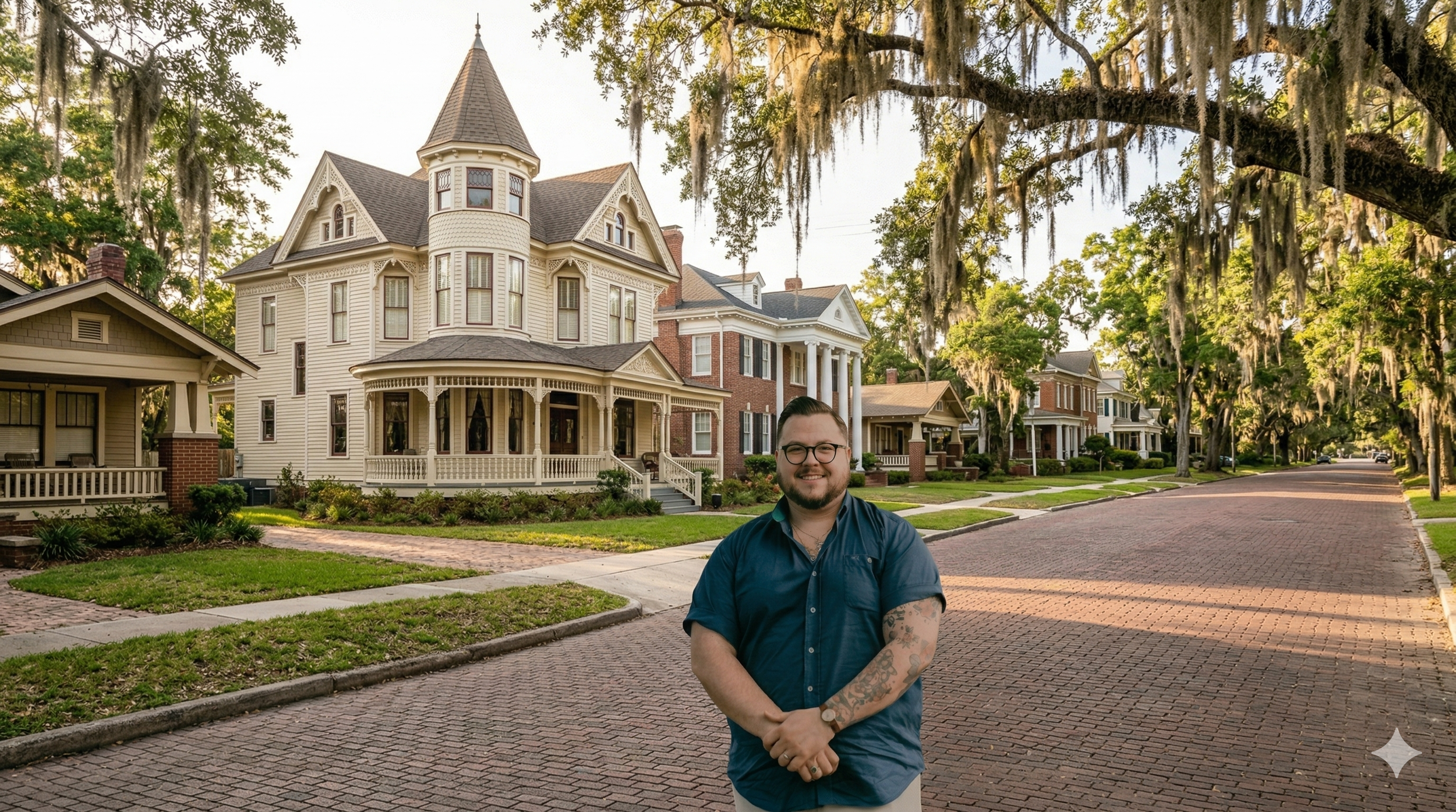
Wondering what it takes to sell a home in one of Jacksonville's historic districts?
Selling a historic home in Jacksonville, FL comes with a different set of considerations than selling a standard resale property. From Certificate of Appropriateness requirements to insurance-related repairs your buyer may need before closing, the process has layers — and the sellers who prepare for them upfront are the ones who sell faster and with fewer surprises.
The Appeal Is Real — But So Are the Details
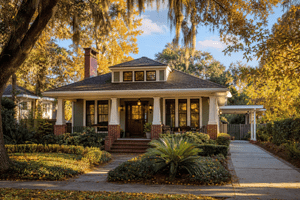
Jacksonville's historic neighborhoods — Riverside, Avondale, Springfield, Ortega, San Marco, Murray Hill, Lakeshore — attract a specific kind of buyer. These are people who want Craftsman bungalows, Mediterranean Revival architecture, original hardwood floors, and the kind of character you simply cannot get in new construction. That demand is a real advantage for sellers.
But here's the thing. Selling a historic home also means navigating preservation rules, managing buyer expectations around older construction, and understanding which repairs actually need to happen before closing — not because the home is deficient, but because insurers and lenders have their own requirements. If you're not prepared for those conversations, they can slow down or even derail a transaction.
The Certificate of Appropriateness: What Sellers Need to Know
If your property is in one of Jacksonville's locally designated historic districts, any exterior work you've done — or plan to do before listing — requires an approved Certificate of Appropriateness (COA). That includes window replacements, siding repairs, roof work, fencing, driveway changes, additions, and even sheds.
Why does this matter to you as a seller? Two reasons.
First, if you've made exterior improvements without a COA, that can surface during the buyer's due diligence and create complications. Work done without approval can result in violations, and the city may require corrective action — including, in some cases, reversing the work entirely. If you've replaced original windows with vinyl or made exterior modifications without going through the process, it's worth contacting the Jacksonville Historic Preservation Section before you list to understand where you stand.
Second, if you're planning pre-listing improvements — fresh paint, new fencing, a roof repair — you'll need that COA approved before a building permit can be issued. Some work can be handled administratively. Larger changes, like street-visible additions or window replacements, go before the Jacksonville Historic Preservation Commission, which meets monthly. Plan accordingly, because this timeline doesn't always align with a seller's desired listing date.
The Biggest Surprise: Insurance-Related Repairs
Here's where a lot of historic home sellers get caught off guard. Your home may be perfectly livable — and you may have lived in it comfortably for years — but your buyer's insurance company might have a different opinion.
In Florida, most insurers require a 4-point inspection on homes that are 20 to 30 years old or older. A 4-point inspection evaluates four systems: the roof, electrical, plumbing, and HVAC. For a historic home built in the early 1900s, this inspection almost always surfaces items that need attention before a buyer can secure a homeowners policy. And if the buyer can't get insurance, the deal doesn't close.
Here's what typically comes up:
Roof — Insurers want to see adequate remaining life on the roof covering. If your roof is aging or shows visible wear, a buyer's insurer may require a roof certification or replacement before writing a policy.
Electrical — This is a big one for historic homes. Knob-and-tube wiring, aluminum wiring, cloth wiring, and outdated electrical panels — particularly Federal Pacific and Zinsco brands — are red flags for insurers. Many historic homes in Jacksonville still have some combination of these, and updating the electrical system is often the single most impactful thing a seller can do to smooth the path to closing.
Plumbing — Polybutylene piping, galvanized steel, and older cast iron drain lines are common in pre-war and mid-century homes. Insurers flag these materials because of their failure risk. If you know your plumbing materials are dated, getting ahead of this with a pre-listing assessment can prevent surprises.
HVAC — Systems older than 15 years often raise concerns. In Florida's climate, a functioning and reasonably current HVAC system is a baseline expectation for both insurers and buyers.
The important thing to understand is this: your home isn't "failing" because it was built before modern codes existed. Historic homes weren't designed to meet 2026 building standards, and nobody expects them to. But certain systems do need to be in insurable condition for a buyer to close. Knowing which ones those are — and addressing them strategically before you list — puts you in a much stronger negotiating position.
Lead-Based Paint: Your Disclosure Obligations
If your historic home was built before 1978, federal law requires you to disclose any known information about lead-based paint or lead-based paint hazards. You're also required to provide the buyer with an EPA-approved informational pamphlet and give them a 10-day window to conduct a lead-based paint inspection. Florida enforces this requirement on every pre-1978 residential sale.
You don't need to test for lead paint before listing — the law only requires you to disclose what you know. But be aware that buyers purchasing historic homes, especially those planning renovations, may request a lead inspection during their due diligence period. This isn't unusual and shouldn't alarm you. It's simply part of the process.
Pricing a Historic Home in Jacksonville
Pricing is where experience really matters. Standard comparable sales analysis doesn't always translate cleanly in historic districts. Every home has different original features, different levels of renovation, different lot configurations, and different preservation classifications — contributing vs. non-contributing, locally designated vs. National Register only.
A Craftsman bungalow in Springfield with a full restoration isn't comparable to an unrenovated Victorian two blocks away, even if the square footage is similar. And a riverfront home in Ortega with original Spanish Colonial details commands a premium that generic price-per-square-foot math won't capture.
Your agent needs to understand what drives value in these neighborhoods — and what doesn't. Original architectural details like millwork, plaster walls, and period-appropriate windows can be selling points worth highlighting. But they can also be expensive to maintain, and buyers factor that into their offers. Pricing a historic home well means balancing the premium buyers will pay for character with the reality of what those systems may cost to maintain.
Why the Right Agent Makes a Difference for Historic Home Sellers
Selling a home in a historic district isn't harder than selling anywhere else in Jacksonville. But it does require an agent who understands the nuances — someone who can walk a buyer through why the home isn't built to current code and why that's normal, someone who knows which repairs actually affect insurability versus which ones are cosmetic, and someone who can position the home's history and character as the asset it is.
At CrossView Realty, we have agents who genuinely love these neighborhoods and the homes in them. Bige Wade is one of our team members with a real passion for Jacksonville's historic districts — he understands the COA process, the insurance conversation, and the unique way these homes need to be marketed. That kind of knowledge matters when you're sitting across the table from a buyer who's never purchased a home built before 1950.
Thinking About Selling Your Historic Home in Jacksonville?
If you own a home in one of Jacksonville's historic districts and you're considering selling, we'd love to talk through what that looks like. We can help you understand which improvements are worth making, how to price your home accurately, and how to position it for buyers who'll appreciate what makes it special. Give us a call at 904-503-0672, email us at info@crossviewrealty.com, or visit crossviewrealty.com to get started.
Frequently Asked Questions
Q: Do I need a Certificate of Appropriateness to make repairs before selling my historic home in Jacksonville? A: If your property is within a locally designated historic district, yes — any exterior work requires an approved COA before a building permit can be issued. This includes roofing, windows, siding, fencing, and even driveways. Contact the Jacksonville Historic Preservation Section early in your listing prep to make sure you're in compliance.
Q: What repairs do I need to make before selling a historic home in Jacksonville, FL? A: Focus on the four systems that Florida insurers evaluate in a 4-point inspection: roof, electrical, plumbing, and HVAC. Outdated wiring, aging roofs, and older plumbing materials are the most common items that can prevent a buyer from getting insurance — and without insurance, the deal can't close.
Q: Is it harder to sell a home in a Jacksonville historic district? A: Not harder, just different. Historic homes attract buyers who value character and craftsmanship, but those buyers also ask more detailed questions about preservation rules, renovation restrictions, and system conditions. An agent who understands these districts can help you navigate those conversations and position your home as an asset, not a project.
Q: Do I have to disclose lead-based paint when selling a historic home in Florida? A: If your home was built before 1978, federal law requires you to disclose any known information about lead-based paint, provide the buyer with an EPA pamphlet, and allow a 10-day inspection window. You're not required to test for lead — only to share what you know.
Q: How do I find a real estate agent who knows how to sell historic homes in Jacksonville? A: Look for an agent with direct experience in Jacksonville's historic districts — someone who understands COA requirements, 4-point inspection issues, preservation classifications, and how to price homes where no two properties are alike. CrossView Realty has team members who specialize in these neighborhoods. Call us at 904-503-0672.