Buying a Mobile Home in Jacksonville, FL: What Every Buyer Needs to Know
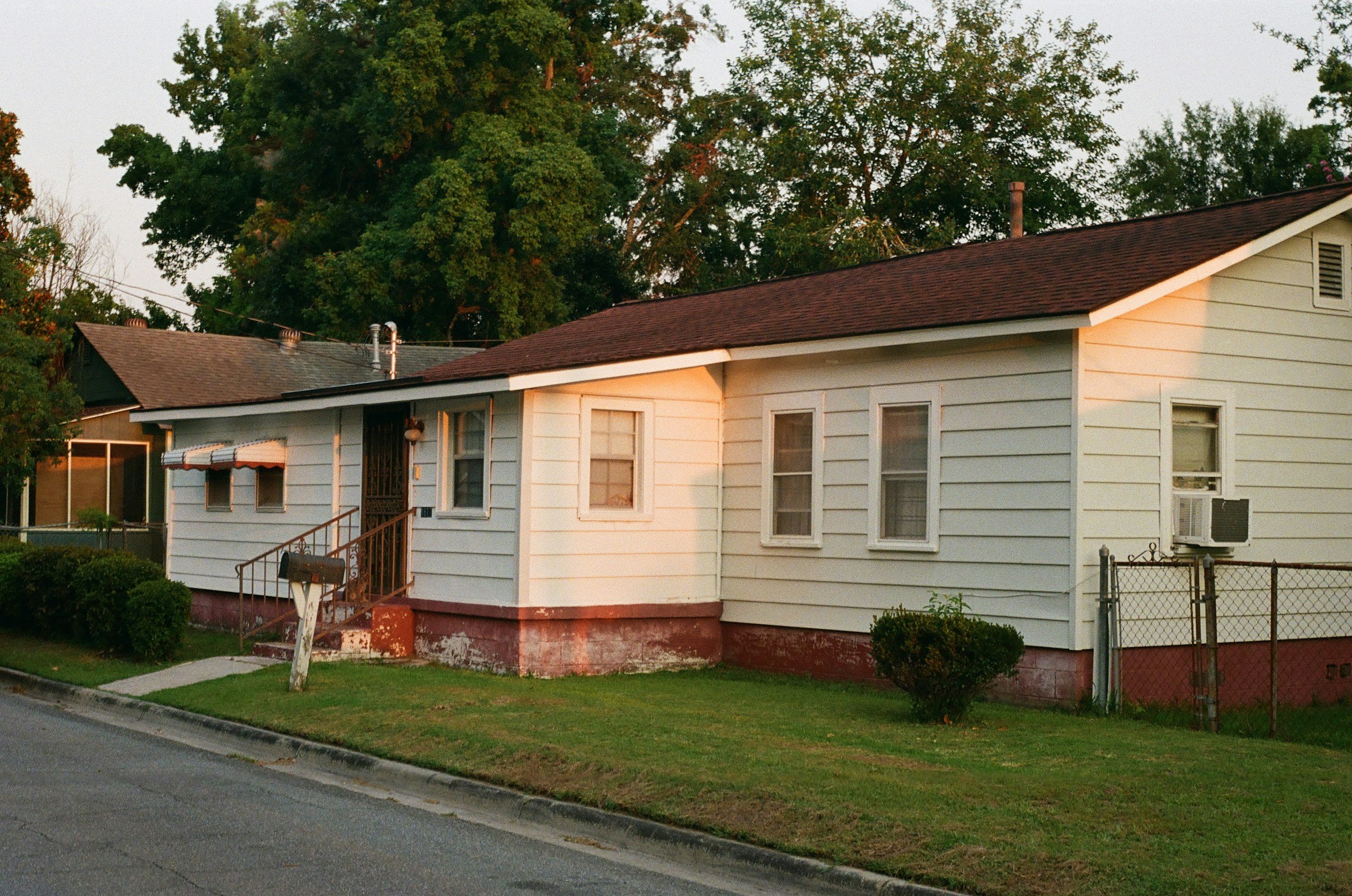
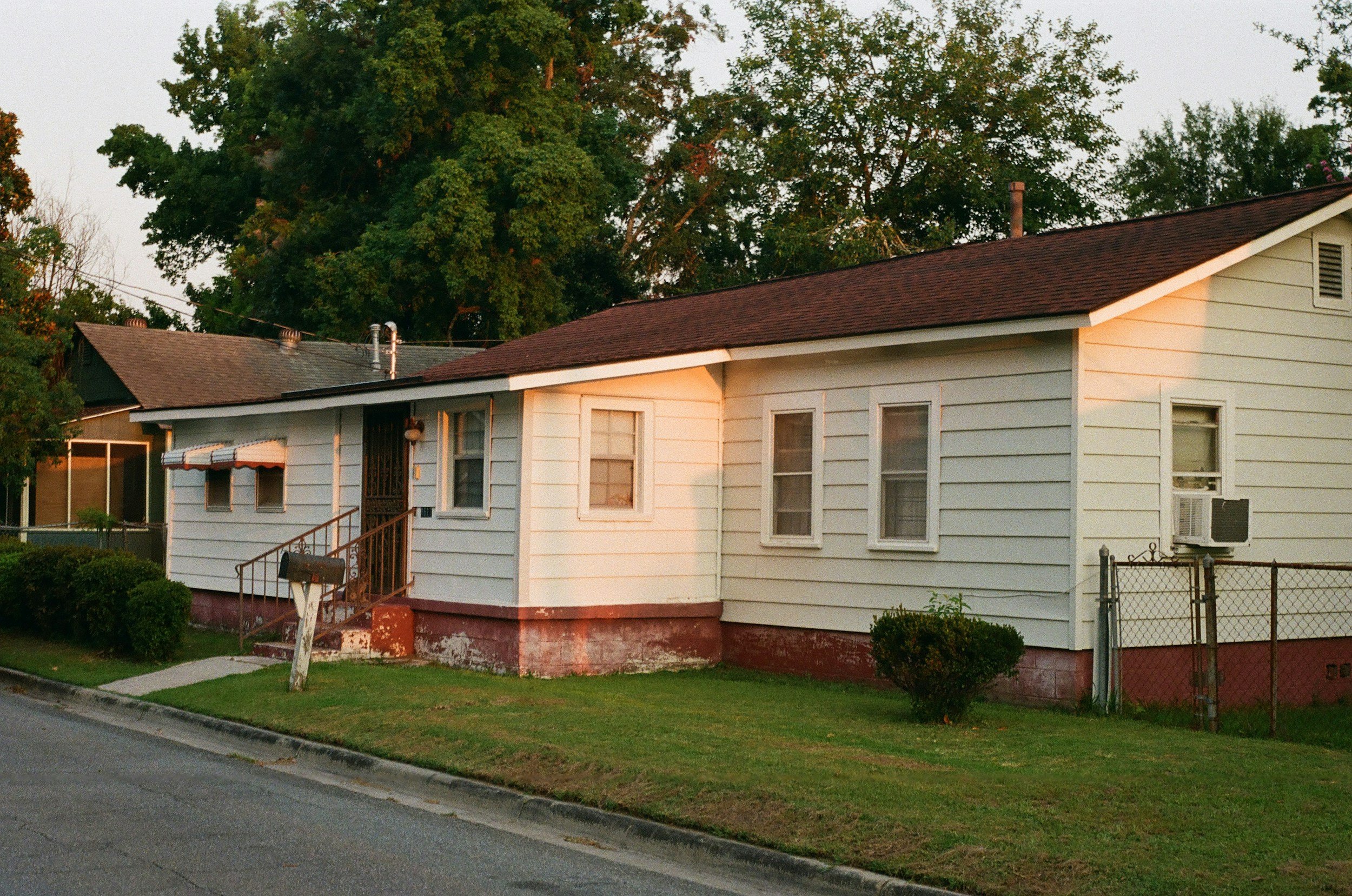
Thinking about buying a mobile or manufactured home near Jacksonville, Florida?
Mobile and manufactured homes are one of the most affordable paths to homeownership in Northeast Florida — but purchasing one is not the same as buying a traditional site-built home. The financing is different, the title process is different, the inspection requirements are different, and not every real estate agent or lender knows how to navigate these transactions. At CrossView Realty, we have agents who understand manufactured home purchases inside and out, along with connections to lenders who specialize in this type of financing and contractors who can help with renovations.
Why Mobile Homes Are Worth a Serious Look
There's a stigma around mobile homes that doesn't match the reality of today's manufactured housing. Modern manufactured homes are built to HUD federal construction standards, and many offer open floor plans, energy-efficient systems, and quality finishes that rival entry-level site-built homes — often at a significantly lower price point.
For buyers in the Jacksonville area who are working with a tighter budget, looking for acreage, or want to avoid HOA restrictions, a mobile or manufactured home on its own land can be a smart move. It's also an option that appeals to first-time buyers, retirees, and investors looking for affordable rental property.
Where Buyers Are Finding Mobile Homes Near Jacksonville
Mobile and manufactured homes are more common in some parts of Northeast Florida than others. Here's where buyers tend to focus:
Middleburg and Clay County — One of the most active areas for manufactured homes in the Jacksonville metro. Middleburg offers larger lots, rural character, and price points that make homeownership accessible. You'll find both mobile homes on private land and homes within established communities throughout the area.
Green Cove Springs — As the county seat of Clay County, Green Cove Springs has a mix of newer construction and older manufactured homes on private parcels, particularly along the corridors south and west of town.
Keystone Heights — Further south in Clay County, Keystone Heights offers a quieter, lake-oriented lifestyle with affordable manufactured home options on larger lots.
Hilliard and Nassau County — North of Jacksonville, Hilliard and the surrounding rural areas of Nassau County have a solid inventory of manufactured homes on private acreage — often appealing to buyers who want space and privacy.
West Jacksonville and the Westside — Within Duval County itself, the Westside has pockets of manufactured home inventory, particularly in areas off Blanding Boulevard and further west toward the Clay County line.
Hastings and rural St. Johns County — South of St. Augustine, the Hastings area and the more rural western portions of St. Johns County offer affordable manufactured home options on agricultural and residential lots.
Title vs. Deed: The Most Important Thing to Understand
This is where mobile home purchases get confusing for a lot of buyers, and it's the single most important concept to understand before you start shopping.
In Florida, a mobile home can be classified as either personal property or real property — and that classification affects everything from how you finance it to how you're taxed on it.
Personal property (titled): If the mobile home sits on land you don't own — like a mobile home park with a lot lease — the home is considered personal property. It's titled through the Florida Department of Highway Safety and Motor Vehicles, similar to a vehicle. You'll receive a certificate of title, not a deed. Financing is typically through a chattel loan (a personal property loan), which usually carries higher interest rates and shorter terms than a traditional mortgage. You'll also pay sales tax on the purchase.
Real property (deeded): If the mobile home is permanently affixed to land that you own, the title can be "retired" and the home becomes part of the real property — transferred by deed, just like a traditional house. This opens the door to conventional mortgage financing, FHA loans, and in some cases VA loans. It also means you pay property taxes instead of an annual registration fee, and you can obtain title insurance.
The distinction matters enormously for your financing options, your long-term equity, and your resale value. A manufactured home on owned land with a retired title and a deed will appreciate more like traditional real estate. A titled home on leased land functions more like a depreciating asset. Your agent needs to understand this difference clearly and help you evaluate which scenario you're walking into.
Financing a Mobile Home in Florida
This is where having the right lender connection becomes critical. Not every bank or mortgage company will finance a mobile home, and the ones that do have specific requirements.
Traditional mortgage financing is available when the manufactured home is permanently affixed to owned land, meets HUD standards, and is classified as real property. FHA, VA, and conventional loan products may apply, depending on the home's age, condition, and foundation type.
Chattel loans are used for mobile homes classified as personal property. These are essentially personal property loans — think of them as closer to an auto loan than a mortgage. Interest rates are typically higher, terms are shorter (often 15–20 years rather than 30), and down payment requirements can be steeper.
Specialized manufactured home lenders exist specifically for this market. They understand the nuances of mobile home financing in Florida and can often work with credit profiles and property situations that traditional banks won't touch.
At CrossView Realty, we work with lenders who specialize in manufactured home financing. We can connect you with the right lending partner based on your specific situation — whether the home is on owned land, in a park, or somewhere in between.
What Needs to Be Inspected
Mobile home inspections should cover everything a standard home inspection would — roof, HVAC, plumbing, electrical — plus several items specific to manufactured housing:
Foundation and anchoring. How the home is attached to the ground matters for both safety and financing. Lenders typically require the home to be on a permanent foundation with proper tie-downs. Florida has specific installation standards for manufactured homes, and your inspector should verify compliance.
Subfloor and underbelly. The underside of a mobile home is exposed to moisture, pests, and weather in ways that a slab-built home is not. Inspectors should check the vapor barrier, insulation, and any signs of water damage or pest intrusion.
Roof condition. Manufactured home roofs — whether flat, low-slope, or shingled — can deteriorate differently than traditional roofing. Age, material, and evidence of leaks are all critical.
Plumbing and electrical. Older mobile homes may have outdated plumbing materials or electrical systems that affect both safety and insurability. This ties directly into the 4-point inspection that Florida insurers require for older homes.
Overall structural integrity. Look for signs of settling, frame damage, soft spots in flooring, and any evidence that the home has been moved or improperly re-installed.
Having an inspector who is experienced with manufactured homes — not just site-built construction — makes a real difference in what gets caught before you close.
Renovation and Improvement Connections
One of the advantages of working with CrossView Realty on a manufactured home purchase is our network. We have connections to contractors and renovation specialists who work specifically with mobile and manufactured homes. Whether you're looking at a home that needs cosmetic updates, a full interior renovation, or structural improvements to meet financing requirements, we can help you find the right people for the job.
This is especially valuable for buyers looking at older manufactured homes with good bones and a great lot, where a renovation can significantly increase both livability and value.
Why You Need an Agent Who Actually Understands Mobile Homes
Most real estate agents don't deal with manufactured home transactions regularly. The title process, financing requirements, inspection standards, and legal distinctions between personal and real property are all areas where an inexperienced agent can cost you time, money, or the deal itself.
At CrossView Realty, we have agents who work with mobile and manufactured home buyers regularly. They understand the difference between a titled and deeded property, they know which lenders will finance what, they can coordinate the right inspections, and they can help you evaluate whether a property makes financial sense for your goals. This isn't a niche we stumbled into — it's one we know well and serve intentionally.
Ready to Start Your Search?
If you're looking to buy a mobile or manufactured home in the Jacksonville area — whether it's on private land in Middleburg, a lot in Green Cove Springs, or acreage in Nassau County — we'd love to help. Give us a call at 904-503-0672, email us at info@crossviewrealty.com, or visit crossviewrealty.com to connect with an agent who knows this market.
Frequently Asked Questions
Q: Can I get a mortgage to buy a mobile home in Florida? A: It depends on how the home is classified. If the manufactured home is permanently affixed to land you own and the title has been retired to real property, traditional mortgage products — including FHA, VA, and conventional loans — may be available. If the home is on leased land and titled as personal property, you'll typically need a chattel loan from a lender who specializes in manufactured housing. CrossView Realty can connect you with the right lender for your situation.
Q: What's the difference between a title and a deed on a mobile home in Florida? A: A title is issued through the Florida DHSMV and classifies the mobile home as personal property — similar to a vehicle. A deed transfers the home as part of the real property, like a traditional house. The distinction affects your financing options, your tax obligations, and your long-term equity. If the home is on owned land, the title can be "retired" and the property transferred by deed.
Q: Where are the best areas to buy a mobile home near Jacksonville, FL? A: Middleburg, Green Cove Springs, and Keystone Heights in Clay County are among the most active areas for manufactured homes. Hilliard and rural Nassau County offer affordable options on larger lots. The Westside of Jacksonville and rural areas of St. Johns County near Hastings also have inventory. CrossView Realty serves all of these areas and can help you find the right property.
Q: What should I look for when inspecting a mobile home before buying? A: In addition to standard systems like HVAC, plumbing, and electrical, pay close attention to the foundation and anchoring, the subfloor and underbelly condition, roof integrity, and any signs of settling or frame damage. An inspector experienced with manufactured homes is essential — they know what to look for that a standard home inspector might miss.
Q: Does CrossView Realty help buyers purchase mobile homes? A: Yes. We have agents who specialize in manufactured home transactions, along with lender connections for mobile home financing and contractor referrals for renovations. Whether you're buying on private land or in a community, we can guide you through the title process, financing, inspections, and closing. Call us at 904-503-0672 to get started.