
What Is a Post-Occupancy Agreement?
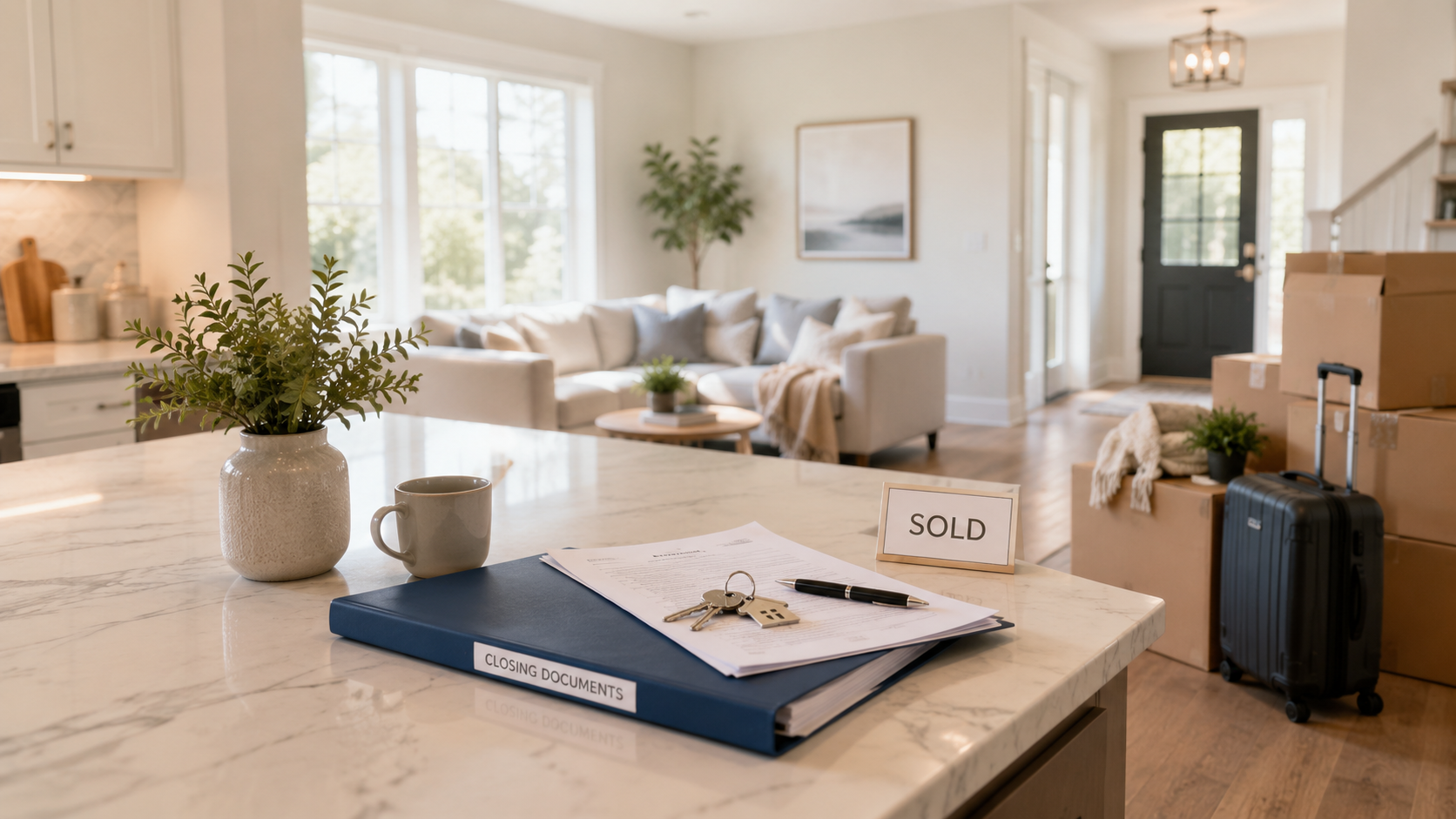
What is a post-occupancy agreement, and why would a seller stay in a home after closing?
A post-occupancy agreement allows the seller to remain in the property for an agreed-upon period after the sale closes. The buyer owns the home during that time, so the terms, responsibilities, and move-out expectations need to be clearly addressed in writing.
How Does a Post-Occupancy Agreement Work?
In most real estate transactions, the seller moves out and turns over the keys at closing. The buyer signs the final paperwork, becomes the owner, and takes possession of the home.
A post-occupancy agreement changes that timeline.
The transaction still closes, and ownership transfers to the buyer, but the seller stays in the property for a few additional days or weeks. You may also hear this called a seller leaseback, rent-back agreement, or post-closing occupancy agreement.
These arrangements became especially common during the fast-moving seller’s market we saw during the COVID years. Buyers were looking for ways to make their offers more attractive, and allowing a seller to stay after closing was sometimes the thing that helped an offer stand out.
In a more buyer-friendly market, we tend to see them less often. Buyers usually have more negotiating power and may not feel the need to take on the additional risk.
But post-occupancy agreements are still a thing, and they can make sense in certain situations.
Why Would a Seller Stay in the Home After Closing?
For a seller, the biggest benefit is usually convenience.
Let’s say the seller is purchasing another home, but they need the proceeds from their current sale before they can close on the next one. A short post-occupancy period may give them time to complete both transactions and move directly from one home to the other.
No temporary housing. No moving everything into storage. No living out of boxes in a hotel while trying to figure out where the coffee maker went.
That breathing room can be valuable to a seller, especially when multiple closings and moving schedules have to line up.
But what works well for the seller may not always be in the buyer’s best interest.
What Should Be Included in a Post-Occupancy Agreement?
If the seller is staying in the home after closing, a handshake and a promise to “be out next Friday” are not enough.
You’re gonna want an actual written agreement that clearly explains what everyone has agreed to. The details will depend on the transaction, but common questions include:
What date and time must the seller move out?
When will all keys, remotes, and access codes be turned over?
Will the seller pay rent for the additional time?
Will the buyer hold a security deposit?
Who is responsible for utilities during the occupancy period?
Who handles routine maintenance?
What happens if something breaks after closing?
What condition must the property be in when the seller leaves?
Will there be another walkthrough after the home is vacant?
What happens if the seller does not move out on time?
These conversations need to happen before closing. Ideally, they should happen while the offer and contract terms are being negotiated.
Trying to add a post-occupancy arrangement after you are already under contract can create unnecessary stress, and the other party is under no obligation to agree to it.
Who Is Responsible If Something Breaks?
This is where things can get complicated.
Let’s say the air conditioner stops working the day after closing. The buyer owns the home, but the seller is still living there. Who pays for the repair?
Or maybe the seller accidentally damages a door while moving furniture. What happens then?
The agreement should address responsibilities as clearly as possible. Buyers should also speak with their lender and insurance provider before agreeing to post-closing occupancy because financing and insurance requirements may affect what is allowed.
This is not something you want to figure out after there is already a problem.
The Risk Buyers May Not See Until the Seller Moves Out
One of the biggest concerns for a buyer is the condition of the home after the seller’s belongings are removed.
During the final walkthrough, the seller’s furniture, rugs, artwork, and boxes may still be in place. Then the seller moves out after closing, pulls up the area rug, and suddenly there is a large stain underneath it.
Or there is a hole behind a dresser. Maybe there is damage along a wall that was covered by furniture. Maybe the garage is not left as clean as everyone expected.
At that point, the buyer already owns the home.
Had the seller moved out before closing, the buyer could have walked through a vacant property and seen those issues before completing the purchase. Depending on the circumstances and the contract, that information could have affected the buyer’s decision to close or led to a conversation about repairs.
A security deposit and a post-occupancy walkthrough may offer some protection, but the agreement needs to explain how those items will be handled.
Is a Post-Occupancy Agreement Good for the Buyer?
It can be, but the buyer needs a good reason to accept it.
In a competitive seller’s market, offering the seller a flexible move-out date may make an offer more appealing. It could help a buyer compete without simply increasing the purchase price.
But buyers should not agree to it automatically.
You are taking ownership of a property that someone else will continue to occupy. You may be delaying your own move, carrying the expenses of the home, and accepting additional uncertainty about its condition.
So slow down and look at the whole picture. How long is the seller staying? Why do they need the extra time? Is there a deposit? What protections are written into the agreement? Does your lender allow it?
The answers matter.
Post-Occupancy Agreements in the Jacksonville, FL Market
Whether a post-occupancy agreement makes sense often depends on the current market and the specific transaction.
In a strong seller’s market, buyers may be more willing to provide flexibility to make their offers competitive. In a buyer’s market, buyers often have less reason to accept the added inconvenience and risk.
That can also vary by property and location. A buyer competing for a highly desirable home in Jacksonville, St. Johns, Fleming Island, Nocatee, or Ponte Vedra Beach may approach the situation differently than a buyer negotiating on a home that has been sitting on the market.
There is no automatic right answer.
The important part is understanding exactly what you are agreeing to before you sign the contract and before you close.
The Final Takeaway
A post-occupancy agreement can give a seller the extra time they need to make a smoother move, and in the right situation, it can help a buyer put together a more attractive offer.
But once closing happens, the buyer owns the home. That is why the rent, deposit, responsibilities, move-out date, property condition, and potential damages all need to be discussed and documented ahead of time.
Thinking about buying a home in Jacksonville or Northeast Florida? Give CrossView Realty a call at 904-503-0672 to start your home search and talk through the terms that may come up in your offer. You can also email us at info@crossviewrealty.com or visit CrossView Realty. We’d love to help.
Frequently Asked Questions
Q: What is a post-occupancy agreement?
A: A post-occupancy agreement allows a seller to remain in the home for an agreed period after closing. The buyer owns the property during that time, and a written agreement should explain the move-out deadline, payment terms, responsibilities, and property-condition expectations.
Q: Does a seller pay rent when staying in the home after closing?
A: Sometimes. The parties may agree to daily rent, a flat occupancy fee, or no charge at all. The terms are negotiable and should be settled before closing rather than handled through an informal verbal arrangement.
Q: Is a security deposit required for a post-occupancy agreement in Florida?
A: A security deposit may be negotiated to help protect the buyer if the property is damaged or the seller does not leave it in the agreed condition. The amount, where it is held, and the conditions for returning or withholding it should be clearly written into the agreement.
Q: Can a buyer say no to a seller staying in the home after closing?
A: Yes. A buyer does not have to accept a post-occupancy arrangement simply because the seller requests one. Buyers should consider their moving schedule, financing, insurance, and the potential risks before agreeing.
Q: When should a seller request a post-occupancy agreement?
A: The seller should bring it up as early as possible, preferably while the offer and contract terms are being negotiated. Waiting until the transaction is close to closing may create complications, and the buyer may not be willing to change the original possession terms.