Buying a Home in a Flood Zone in Florida: What You Actually Need to Know
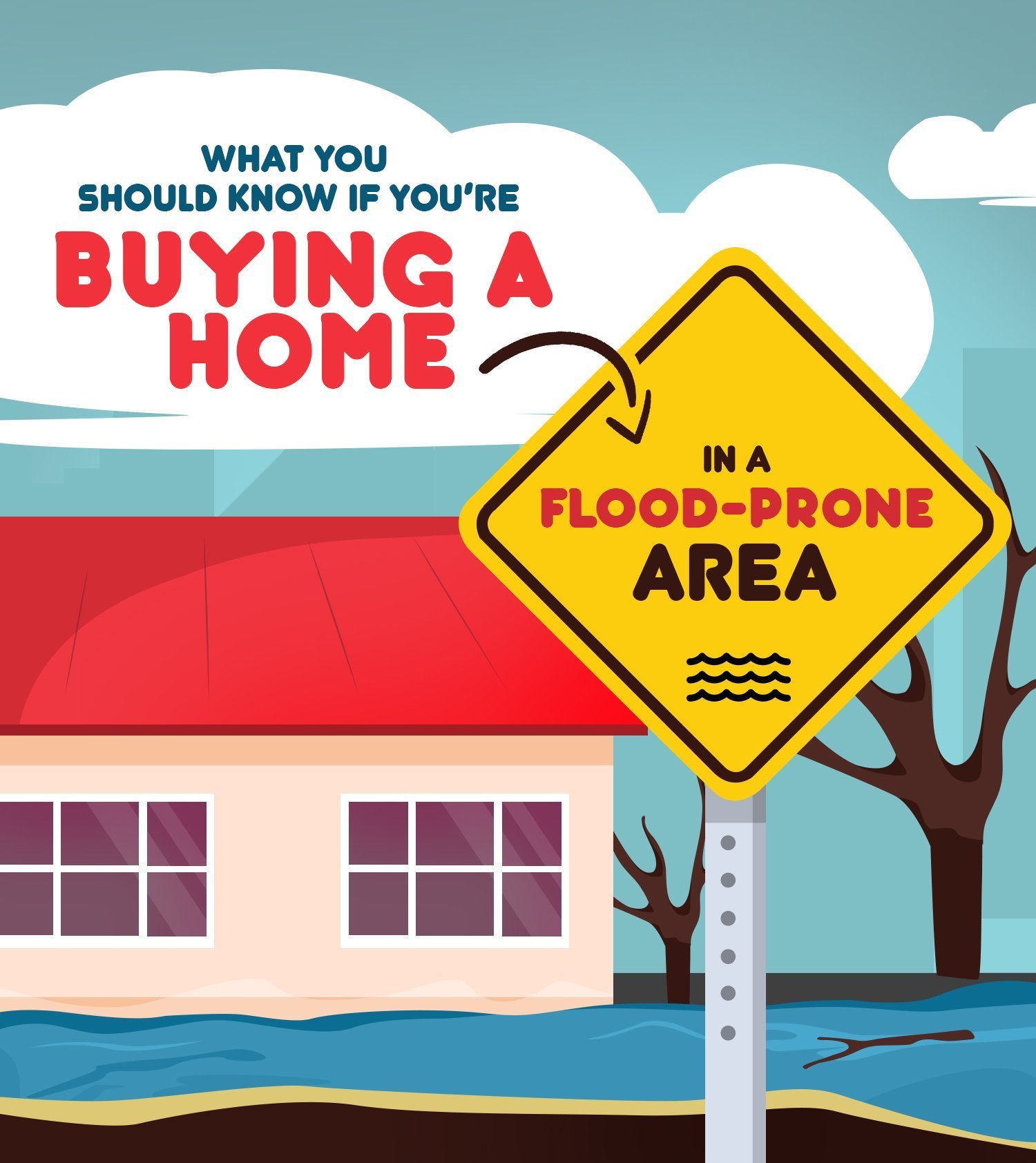


If you see "flood zone" on a listing, should you walk away? Not necessarily. In Florida, almost every property sits in a designated flood zone — the real question isn't whether a home is in one, it's which zone, and what that actually means for insurance, financing, and risk.
Flood Zone vs. Floodplain — They're Not the Same Thing
A floodplain is the natural, low-lying land next to rivers, creeks, or coastlines that can fill with water during heavy rain or storm surge — it's how the ecosystem manages water, shaped over time by erosion and sediment. A flood zone is different: it's the official FEMA risk designation mapped onto a property, used to determine insurance and mortgage requirements.
Every flood zone sits within a floodplain, but not every floodplain is an official FEMA-mapped flood zone. Think of it like thumbs and fingers — all thumbs are fingers, but not all fingers are thumbs.
FEMA's zone letters break down roughly like this:
Zones A or V — high-risk, often near coastlines or rivers. Flood insurance is required if you have a mortgage.
Zones B, C, or X — moderate- to low-risk. Insurance isn't required, but is still worth considering — about 25% of flood claims happen outside officially "high-risk" zones.
Zone X Is the One Most Buyers Land In — Here's the Catch
Many Northeast Florida homes fall into Zone X, considered minimal-to-moderate risk, where flood insurance usually isn't required. That doesn't mean the home will never flood — it just means insurance isn't mandated by your lender.
We've seen it happen: a homeowner in a "non-required" flood zone had water enter the home when street drains clogged during a heavy downpour. The water came from ground level, not the roof, and the home hadn't been sealed properly in that spot. Because it was legally a flood event, standard homeowner's insurance didn't cover it — and the homeowner had no flood policy to fall back on.
That's why we recommend considering flood insurance regardless of zone. In lower-risk areas, it's often more affordable than people expect.
How to Actually Check a Property's Flood Risk
Start with FEMA's official source: the Flood Map Service Center lets you enter an address and see its designated zone, based on continually updated historical flood data. For a second, more granular perspective on risk — including how deep water could get in a given scenario — firststreet.org is a useful companion tool. FEMA is the authoritative source your lender will use; firststreet.org fills in more texture around real-world risk.
Do this early — before you tour homes, not after you've fallen for one. Flood zone status can affect price, financing, and insurance costs, and it's much easier to factor in up front than to discover mid-contract.
Florida's Flood Disclosure Rule (Effective October 2025)
Florida now requires sellers to complete a standardized flood-disclosure form as part of every sale. It answers three key questions directly: whether the home has ever had flood issues, whether the seller has ever filed a flood-related insurance claim, and whether the property has received disaster assistance.
This is a meaningful improvement for buyers — flood disclosure used to vary significantly by seller and by how the question happened to come up. Now it's a standard part of every Florida contract. That said, only the current owner's firsthand knowledge is required — if flooding happened under a previous owner, the current seller may genuinely not know about it. It's still worth asking directly, checking with neighbors, and searching local news archives for flood history in the area, especially near water.
Flood Insurance Basics
If a home you want is in a higher-risk zone, or you simply want the protection, flood insurance comes in two forms: the National Flood Insurance Program (NFIP), a federally backed option available in most (but not all) participating communities, and private flood insurance, which fills the gap where NFIP isn't available or where private coverage makes more financial sense. Ask your agent or a local insurance provider for current pricing for the specific property you're considering — rates vary significantly by zone, elevation, and coverage amount, so a general national average won't tell you much about your actual cost.
Why This Matters More in Northeast Florida
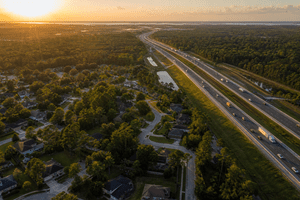
Flat land, a high water table, hurricane season, king tides, and the occasional surprise summer downpour make flood risk a real part of life here — especially near Jacksonville Beach, Nocatee, Green Cove Springs, and along the St. Johns River and Intracoastal. Flood zone status also affects more than your insurance bill: it can influence how high you're allowed to build if you're renovating or building new, whether you'll need an elevation certificate, and how a property's flood history factors into resale value and buyer confidence down the road. None of that makes flood-zone properties a bad investment — many have engineered drainage or elevation solutions that make them just as desirable as anything outside a mapped zone.
Weigh It, Don't Fear It
People buy near water for good reason — it's part of what makes a home appealing in the first place. The goal isn't to avoid flood zones altogether, it's to go in with real information: the zone designation, the actual flood risk, past flooding history (or the lack of it), elevation and drainage, whether insurance is required, and what it costs. Armed with that, you can make a decision based on facts instead of a listing label.
We're Here to Help
Flood maps, insurance requirements, disclosure forms, elevation questions — it's a lot to sort through on your own. We can pull the FEMA flood zone on any property you're considering and walk you through exactly what it means before you make an offer.
Give us a call at 904-503-0672 or email info@crossviewrealty.com. You can also learn more at crossviewrealty.com.
Frequently Asked Questions
Q: Is it bad to buy a house in a flood zone in Florida? A: Not necessarily. Almost every property in Florida sits in some designated flood zone. What matters is which zone, the actual risk level, and whether flood insurance is required — not simply whether the label appears on the listing.
Q: What's the difference between a flood zone and a floodplain? A: A floodplain is the natural land near water that can flood. A flood zone is FEMA's official risk designation for a specific property, used to determine insurance and financing requirements. Every flood zone sits within a floodplain, but not every floodplain is an official flood zone.
Q: Do I need flood insurance if my home is in Zone X? A: It's usually not required by your lender, but it's still worth considering. Roughly 25% of flood claims happen outside officially high-risk zones, and flood insurance in Zone X is often more affordable than buyers expect.
Q: Does Florida require sellers to disclose flood history? A: Yes — as of October 2025, Florida requires a standardized flood-disclosure form covering past flood issues, prior flood insurance claims, and any disaster assistance received. Only the current owner's firsthand knowledge is required, so it's still worth asking additional questions if the home is near water.
Q: How do I check a property's flood zone before making an offer? A: Use FEMA's Flood Map Service Center for the official designation your lender will use, and a tool like firststreet.org for a more detailed look at real-world flood risk. Do this before you tour the home, not after you've made an offer.