7 Mistakes First-Time Home Buyers Make (And How to Avoid Them)
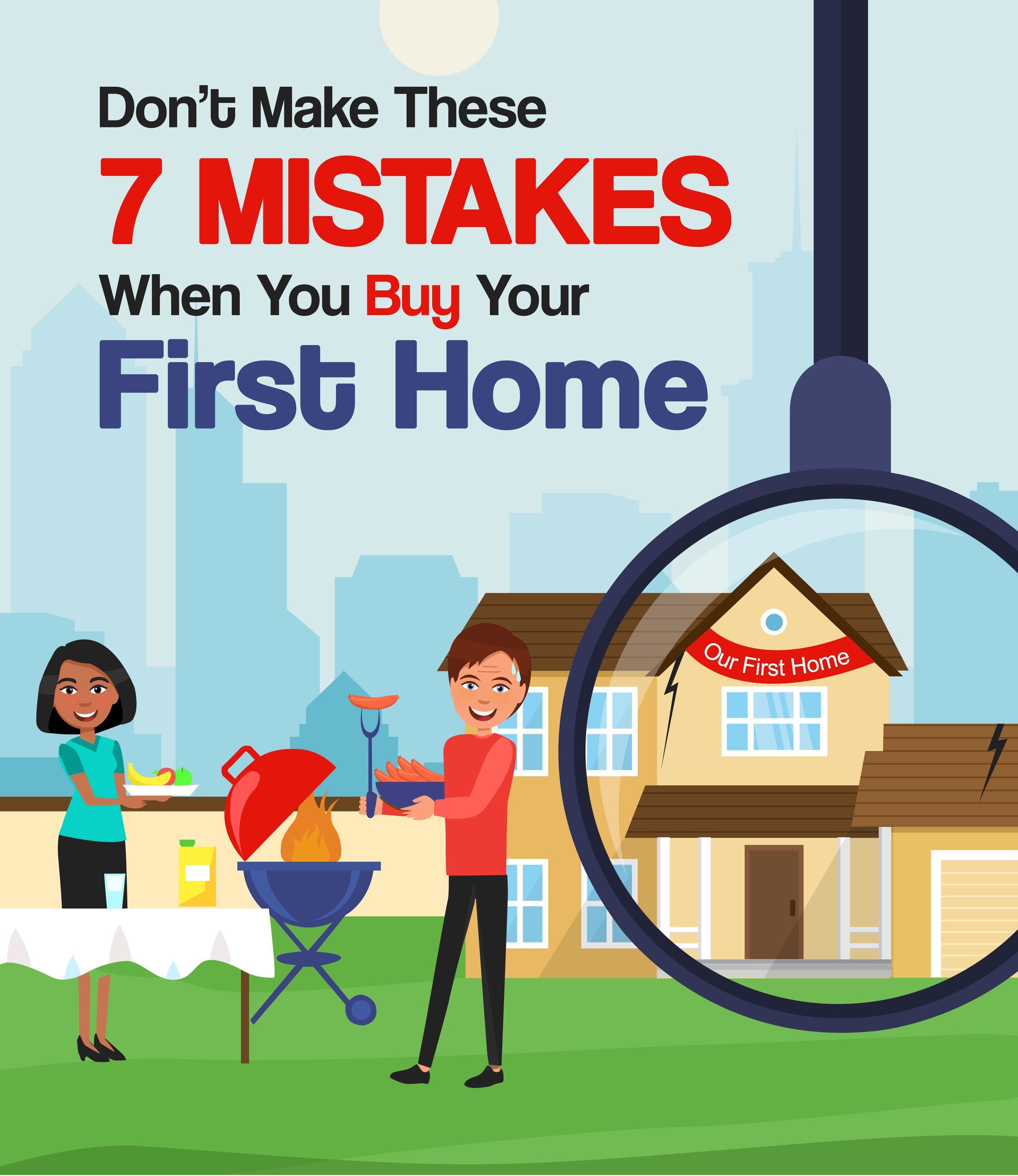

Buying your first home is exciting enough to cloud your judgment at exactly the moments you need it most. Here are the seven mistakes that trip up first-time buyers most often — and how to sidestep each one.
1. Underestimating the Costs Beyond the Purchase Price
The price on the listing is not the price of buying the home. Loan origination fees, mortgage insurance, appraisal and inspection fees, title costs, and prepaid taxes and insurance all stack on top of it — and Florida closing costs for buyers typically run a few percent of the purchase price. Budget for renovations and immediate repairs too; very few first homes need nothing on day one.
2. Not Getting Your Own Buyer's Agent
Working directly with the seller's agent means working with someone who is legally obligated to get the seller the best deal, not you. A buyer's agent represents your interests specifically — negotiating price, flagging issues, and reviewing the contract on your behalf — and in most transactions, the buyer doesn't pay their agent's fee directly out of pocket.
3. Trusting Online Home Value Estimates Over a Real Market Analysis
Automated valuation tools can be off by a meaningful margin in either direction, especially in neighborhoods with wide variation in lot size, updates, or waterfront access — common across Northeast Florida. A local agent running a real comparative market analysis, using actual closed comps rather than an algorithm, gives you a far more reliable number to negotiate from.
4. Skipping Research on the Neighborhood Itself
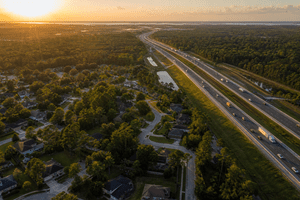
The house is only half the picture. Flood zone designation, HOA rules and fees, school zoning, commute times, and planned development nearby can all affect both your day-to-day life and the home's future resale value. In this region in particular, checking flood zone status before you fall in love with a property can save you from an expensive surprise on insurance later.
5. House Hunting Before You're Pre-Approved
Touring homes before you know what you're actually approved to borrow means either wasting time on homes out of reach or underselling what you could afford. Pre-approval requires a lender to evaluate your credit and finances up front, and it also signals to sellers that you're a serious, financeable buyer — which matters in a competitive listing.
6. Skipping the Home Inspection
A home that looks move-in ready can still be hiding termite damage, aging plumbing, or a roof nearing the end of its life. A licensed inspector catches what a walkthrough won't, and in Florida specifically, wind mitigation and four-point inspections can also affect your insurance premium — worth doing even if the seller has already had their own inspection done.
7. Not Thinking Past the First Few Years
It's easy to fall for a house without asking whether it fits your life three, five, or ten years out. Homes generally need time to build equity before a sale covers your costs to move again, so a home you'll likely outgrow or want to leave within a couple of years is worth a second look before you commit.
Buying Your First Home in Northeast Florida?
We work with first-time buyers through every one of these steps — from pre-approval to the final walkthrough.
Give us a call at 904-503-0672 or email info@crossviewrealty.com. You can also learn more at crossviewrealty.com.
Frequently Asked Questions
Q: What's the biggest mistake first-time home buyers make? A: House hunting before getting pre-approved is one of the most common — it leads to wasted time on homes outside your real budget and puts you at a disadvantage against buyers who are already approved.
Q: Do I need my own real estate agent if I'm buying a home? A: Yes. Working only with the seller's agent means working with someone legally obligated to represent the seller's interests, not yours. A buyer's agent negotiates and reviews the deal on your behalf, typically at no direct cost to you.
Q: Is a home inspection necessary if the house looks to be in good condition? A: Yes. Cosmetic condition doesn't reveal termite damage, aging plumbing, or roof issues. In Florida, inspection results can also affect your insurance costs, making it worth the expense even on a home that looks well maintained.
Q: How much should I budget beyond the home's purchase price? A: Plan for several percent of the purchase price in closing costs alone, plus a reserve for immediate repairs or updates — very few first homes need nothing done right after move-in.