If a Realtor Shows You a House, Do You Have to Use Them? It Depends.

The real answer: it depends entirely on what you signed.
This question comes up constantly, and the frustrating truth is there's no simple yes or no. You might be obligated. You might not be. You might be obligated to use that agent for that specific property but not for another. The answer lives in the details of whatever agreement you signed — because in most cases, you did sign something.
You Almost Always Sign Something Before Seeing a Home
Before an agent can show you a property, they're required to have a written agreement in place. The only real exceptions are walking into an open house or calling the listing agent directly — in those cases, no agreement is necessary because you're interacting with the seller's representative, not engaging your own.
But here's what catches a lot of buyers off guard. Say you walk into an open house, hit it off with the agent hosting it, and they offer to take you to see other properties. Before they can do that, they need you to sign a touring agreement, a showing agreement, or a buyer broker agreement. The moment you move beyond that open house with them, paperwork is involved.
This is exactly how buyers end up feeling "trapped" with an agent they barely know. One open house conversation turns into a signed agreement, and suddenly you're wondering if you're locked in. Which brings us to what those agreements actually say.
The Three Types of Agreements That Matter
There are essentially three types of agreements that could affect whether you're obligated to use an agent who showed you a property. Each one works differently, and each one creates different obligations. (We covered these in more detail in our blog on buyer representation agreements — worth reading if you want the full breakdown.)
1. Showing Agreement (Property-Specific)
A showing agreement ties you to a specific property or set of properties. If you signed a showing agreement and the house you want to write an offer on was listed in that agreement, you are potentially obligated to use that agent to purchase that home.
But even in a showing agreement, there may be an "out" written into the contract. Some agreements include a clause that releases you under certain conditions, or they may expire after a set timeframe. If you're outside the time window when the agreement applies, or if a cancellation clause covers your situation, you might not be bound after all.
The key question: Was the specific property you want to buy named in or covered by the showing agreement, and are you still within the contract's active period?
2. Buyer Broker Agreement (Area-Specific)
A buyer broker agreement is broader. It's not about one specific house — it's about a geographic area. If you signed a buyer broker agreement, you've agreed to work exclusively with that agent for any properties that fall within the defined area.
Here's what determines if you're actually obligated:
Does the property fall within the geographic scope? If you signed an agreement that covers Jacksonville, Duval County, or a specific neighborhood, and the home you want to buy is in that area, you're likely bound. If the property is outside the area covered by your agreement, you may not be.
Are you within the contract window? Buyer broker agreements have a start and end date. If the agreement expired, you're not obligated, even if the property is in the covered area. If you're still within the active period and the property is in the covered area, yes — you'd be obligated to use that agent.
3. Touring Agreement
A touring agreement is typically the lightest-touch option. It may cover a specific showing session or a short window of time. The scope varies, so the same questions apply: What properties or areas does it cover? What's the time frame? Are there exit clauses?
The Real Advice: Find Your Agent Before You Start Looking
Here's the part most buyers get backward — and it's where problems start.
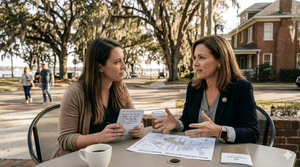
Instead of interviewing agents first, a lot of buyers go to a website, click a button to schedule a showing, and end up meeting a random agent they've never spoken to before. That agent puts an agreement in front of them, they sign it because they want to see the house, and now they're wondering if they're stuck with someone they didn't choose.
Flip the order. Take the time to interview agents before you start looking at homes. Talk to a few. Ask about their experience, how they communicate, what areas they know, how they handle negotiations. Find someone you actually like and trust. Then sign an agreement with that person and let them show you homes.
When you do it this way, you never have to worry about being obligated to use some random agent who showed you one property. You've already chosen your person. The agreement isn't a trap — it's a formalization of a relationship you already feel good about.
If You Signed Something, Read It
This is the most important part of this entire blog, and we're going to be direct about it.
If you've signed an agreement with an agent and you're not sure what you're obligated to, go read the agreement. Don't take someone else's word for it. Don't rely on what you think you remember. Don't trust what the agent tells you, what your friend tells you, or — honestly — what this blog tells you. Read the actual document you put your name on.
Look for the agreement type, the properties or areas it covers, the start and end dates, and any language about cancellation or release. If you read it and you're still not sure, ask a real estate attorney to review it. That's the only way to know for certain what your obligations are.
Thinking About Starting Your Home Search the Right Way?
If you haven't signed anything yet and you're starting to think about buying a home in Jacksonville, FL or anywhere in Northeast Florida, now is the time to find your agent — before you start clicking around on listing sites.
At CrossView Realty, we're happy to have a no-pressure conversation about how we work, what you can expect from buyer representation, and whether we're the right fit. If we are, great. If not, we'll still make sure you understand the process before you sign anything with anyone.
Give us a call at 904-503-0672, email us at info@crossviewrealty.com, or visit crossviewrealty.com.
Frequently Asked Questions
Q: If a realtor shows me a house, do I have to use them to buy it? A: It depends on what you signed. If you signed a showing agreement that names that specific property and you're still within the contract's time frame, you may be obligated. If you signed a buyer broker agreement and the property falls within the covered area during the active period, you're likely bound. If you haven't signed anything — which really only applies to open houses or direct contact with a listing agent — you have no obligation.
Q: Can I go to an open house without signing an agent agreement? A: Yes. Open houses are one of the few situations where no agreement is required. The agent hosting the open house is representing the seller, not you. But if that agent offers to take you to other properties beyond the open house, they'll need you to sign a touring agreement, showing agreement, or buyer broker agreement before they can do so.
Q: What should I do before I start looking at homes? A: Interview agents first. Talk to a few, ask about their experience and approach, and find someone you trust before you start touring properties. When you sign an agreement with an agent you've already vetted and chosen, it's a partnership — not a trap. This approach protects you from feeling locked in with someone you don't know.
Q: What if I signed an agreement and I'm not sure what it says? A: Read it. Don't rely on what anyone tells you — including the agent, your friends, or this blog. Pull out the document you signed and review the agreement type, the properties or areas it covers, the time frame, and any cancellation provisions. If you're still unclear, have a real estate attorney review it. That's the only way to know your obligations for certain.
Q: How does CrossView Realty handle buyer agreements? A: We walk you through every agreement clearly and answer every question before you sign anything. We believe you should understand exactly what you're agreeing to, and we'd rather earn your trust first than lock you into something before you're comfortable. Call us at 904-503-0672 to start the conversation.