Buying and Selling a Home at the Same Time in Florida: What You Need to Know
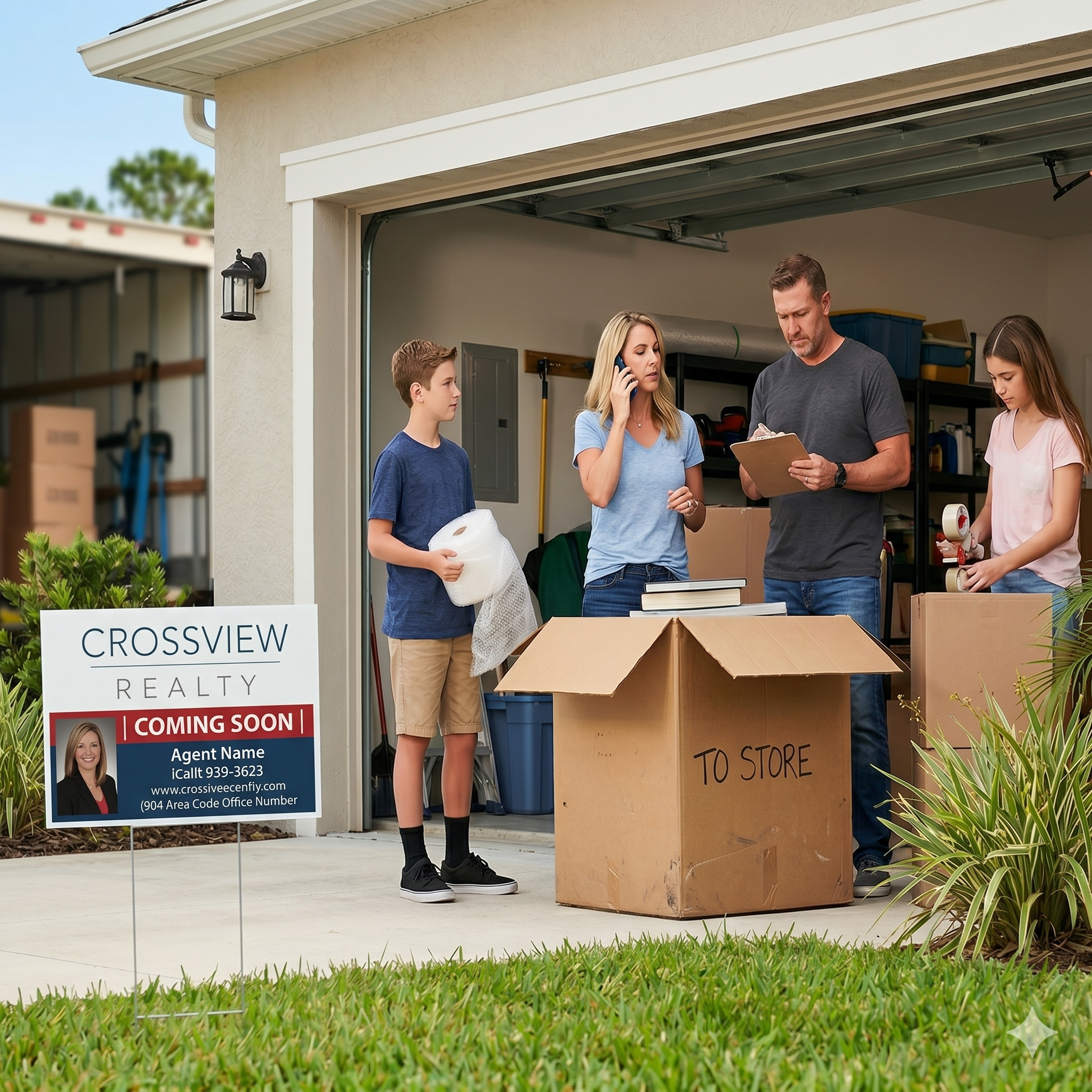
How do you buy a new home when you haven't sold your current one yet?
It's one of the most common — and most stressful — situations in real estate. You've outgrown your home, or your circumstances have changed, and you need to move. But your down payment and buying power are tied up in the equity of the house you're sitting in. If this sounds familiar, you're not alone. And there is a path through it. It just requires a clear strategy, an honest understanding of the trade-offs, and an agent who has actually done this before.
Why This Is Harder Than It Sounds
On paper, the idea seems straightforward: sell your house, use the proceeds, buy the next one. In reality, the timing rarely lines up that cleanly. The home you fall in love with won't wait indefinitely for your house to sell. The buyer for your current home may need a quick close that your next purchase isn't ready for. And if you're trying to do both on the same day — closing on one property in the morning and another in the afternoon — one hiccup anywhere in the chain can unravel the whole thing.
That's not pessimism. That's just the reality of managing two major transactions simultaneously, each with their own inspections, appraisals, lenders, title companies, and closing timelines. It's doable. But it requires a plan — and a backup plan.
What the Northeast Florida Market Looks Like Right Now
Understanding the current market in Jacksonville, St. Johns County, Clay County, and the surrounding area matters a lot for how you approach this strategy.
Through much of 2025, Northeast Florida leaned toward buyers. Inventory climbed significantly, days on market stretched out, and sellers were cutting prices to attract attention. That gave buyers negotiating power — but made the sell side of this equation more challenging.
As we move into 2026, the market has started to tighten. Days on market in the Jacksonville metro dropped to around 36 days in April 2026, down sharply from the 70+ day medians seen earlier in the year. Well-priced homes in areas like Nocatee, Mandarin, and Intracoastal West are seeing strong demand and in some cases multiple offers. The market is shifting toward seller-favorable conditions again, though buyers still have room to negotiate on homes that sit past 30 days.
Why does this matter for your strategy? Because the dynamics of a simultaneous buy and sell are very different depending on whether you're negotiating from strength or from urgency. And right now, that depends heavily on where your current home is, where you're looking to buy, and how quickly you need to move.
The Real Trade-Off Nobody Talks About Enough
Here's the honest truth about trying to buy contingent on selling your home in the current market — and most markets, frankly.
When you submit an offer on a home that depends on your home selling first, you're asking the seller to take their property off the market and wait for something they have no control over. That's real risk on their end. To compensate for that risk, sellers who are willing to accept a contingent offer typically expect a price close to or at full asking — sometimes more. They're not going to discount the home for the inconvenience of waiting. They're going to charge you for it.
On the flip side, when you're trying to sell your current home with a deadline looming — because you have a purchase contract with a closing date on the other end — you lose negotiating leverage on your own sale. You can't afford to sit at a higher price point and wait for the right buyer. You need it sold, which often means pricing it aggressively enough to attract a quick offer. The result: you're potentially selling your current home for less than its full market value while paying closer to full price on the home you're buying. Both sides of the transaction get squeezed.
This isn't always the outcome — skilled navigation helps — but it's the reality you need to go in with eyes open about.
A Smarter Approach: Get Ready Before You're Ready
The strategy that tends to work best for most homeowners in this position is deceptively simple: get your current home completely ready to list before you start seriously shopping for the next one.
That means getting the house cleaned, decluttered, staged, and photographed. Hire a professional photographer. Address the obvious repairs. Have everything in order so that if you find the right home tomorrow, you can have your listing live within 48 hours — not two weeks from now.
This changes your position entirely. Instead of scrambling to get your home on the market after you've already fallen in love with a property and submitted an offer, you're approaching everything from a place of preparedness. You can move fast when the timing is right.
Even better: go ahead and get your home on the market. You don't have to have already found your next home to list your current one. Get it listed, start receiving interest, and use that time to watch the market closely. When you do receive a contract, that's when you shift into high gear on finding your next home.
Build in Flexibility — Don't Bet Everything on the Same Day
The double-close scenario — where you close on the sale of your home in the morning and the purchase of your next home in the afternoon — is possible, but it is not a plan. It's a hope. And any delay in the morning close, any last-minute lender issue, any title problem that surfaces, kills the afternoon too.
A much more resilient approach is to build a gap between transactions. When negotiating the sale of your current home, ask for a longer closing date. Thirty to forty-five days is standard, but in today's market you can sometimes negotiate sixty. That gives you breathing room on the buy side.
And if you do end up with a gap between closing dates, have a plan for it. A portable storage pod for your furniture is one of the smartest moves you can make here. Pack up, move your belongings into storage, and stay somewhere flexible — a short-term rental, an Airbnb, or with family — for a week or two while you wait for your next home to close. It's a small inconvenience relative to the financial and emotional cost of a failed double-close or a rushed sale.
Florida-Specific Tools Worth Knowing
In Florida, when a buyer submits an offer contingent on the sale of their home, the contract uses what's called a Sale of Buyer's Property Rider. This is the document that formally makes the purchase contingent on your home closing.
Sellers who accept a contingent offer in Florida can protect themselves with a Kick-Out Clause. This allows the seller to continue marketing their home while your home is under contract. If they receive another offer, they notify you and give you a set period — typically 72 hours — to either remove the contingency and move forward, or release the contract. As a buyer submitting a contingent offer, agreeing to a kick-out clause significantly increases the likelihood of having your offer accepted, because it gives the seller an exit if needed. Your agent should know when to use it and how to negotiate its terms.
Why the Agent You Choose Matters More Here Than Anywhere
A simultaneous buy and sell isn't two separate transactions. It's one highly coordinated sequence where the timing, communication, and negotiation on both sides need to work in harmony. If your agent is handling just one side of this and not actively aware of the other, things fall through the cracks.
At CrossView Realty, we've walked a lot of clients through this exact situation — in Jacksonville, Orange Park, Fleming Island, St. Johns, Green Cove Springs, Ponte Vedra Beach, and across Northeast Florida. We know how to sequence these transactions, how to protect your interests on both the buy and sell side, and how to build the kind of flexibility into each deal that gives you options when things don't go exactly according to plan.
There's no script that works for every situation. But there is a process, and there is experience. Both matter a lot when the stakes are this high.
Give us a call at 904-503-0672, reach us at info@crossviewrealty.com, or visit crossviewrealty.com to talk through your specific situation before you make a move.
Frequently Asked Questions
Q: How do you buy and sell a home at the same time in Florida? The most common approach is to list your current home first, get it under contract, and use that timeline to close on your next purchase. In Florida, buyers can also submit an offer with a Sale of Buyer's Property Rider, which makes the purchase contingent on their home selling first. Having a plan for the gap between closings — including temporary housing and storage — is critical to making the process work without a same-day double-close.
Q: Is it a buyer's or seller's market in Jacksonville, FL right now? The Jacksonville market spent much of 2025 favoring buyers, with elevated inventory and longer days on market giving buyers negotiating leverage. As of spring 2026, conditions have tightened — days on market have dropped and well-priced homes are moving faster, particularly in areas like Nocatee and Mandarin. The market is shifting, which affects strategy significantly for anyone trying to buy and sell simultaneously.
Q: What is a contingent offer in Florida real estate? A contingent offer means the buyer's purchase depends on a specific condition being met — most commonly, the sale of their current home. In Florida, this is formalized through the Sale of Buyer's Property Rider. Sellers who accept a contingent offer can include a Kick-Out Clause, which allows them to continue marketing the home and gives the contingent buyer a set window to remove the contingency if a better offer comes in.
Q: Should I sell my home before buying another one in Florida? In most cases, selling first — or at minimum getting your home fully prepared and listed before shopping aggressively — puts you in a stronger position. Selling first gives you a clear budget, eliminates the contingency on your purchase offer, and removes the pressure of a timeline-driven sale. The trade-off is a potential gap between closing dates, which is manageable with proper planning for temporary housing.
Q: Why do I need an experienced agent when buying and selling at the same time? Because both transactions have to work together, not just independently. An experienced agent can coordinate timing across both closings, negotiate terms on each side that give you flexibility, and help you avoid the common pitfalls — overpricing your current home to hit a number, underestimating how long the buy side takes, or betting everything on a same-day double-close with no backup plan. CrossView Realty has helped many clients across Northeast Florida navigate this process successfully.