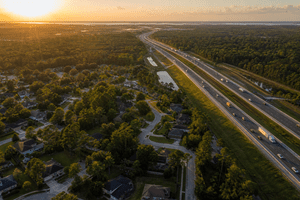
How to Prepare Your Home for Hurricane Season in Jacksonville and Northeast Florida
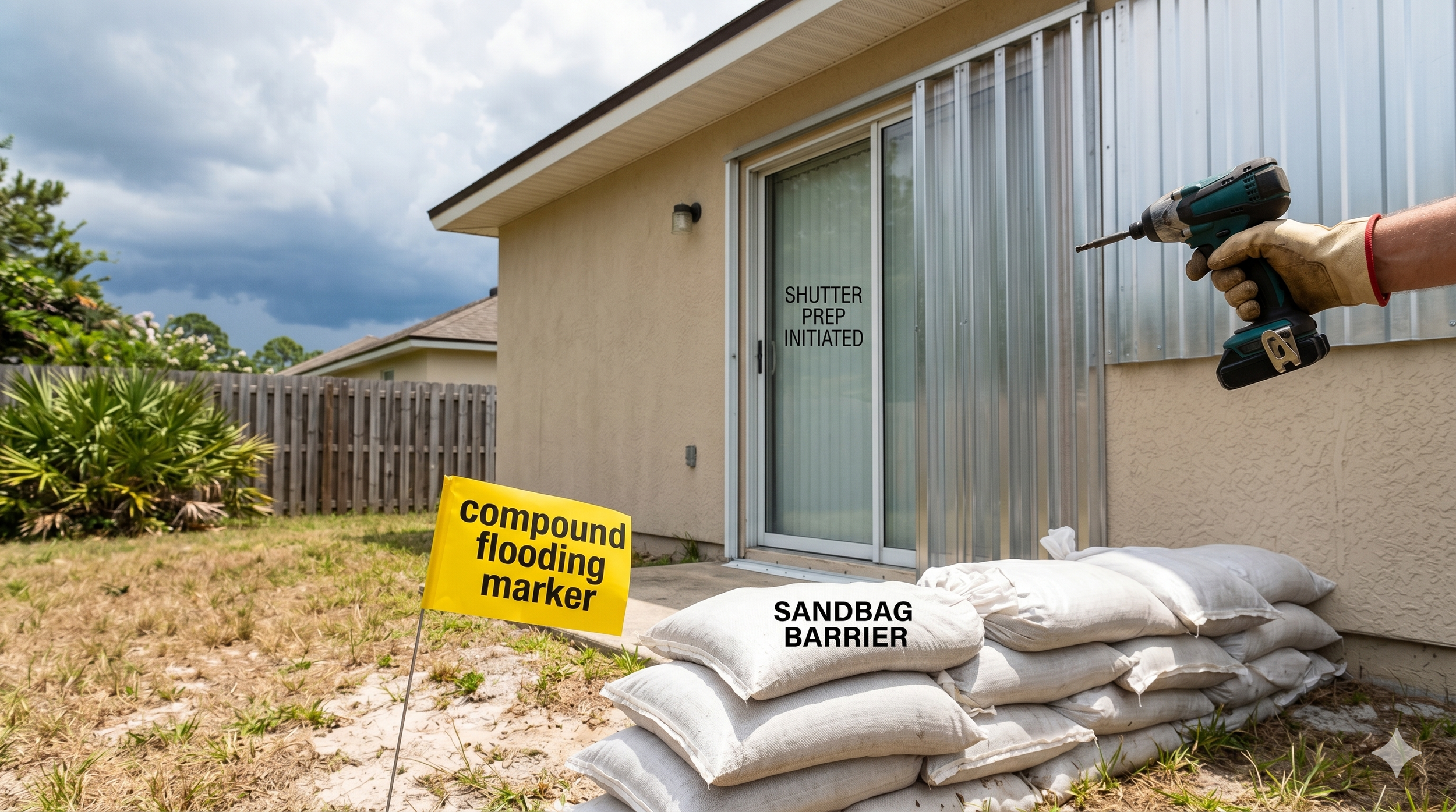
How should you prepare your home for hurricane season in Florida?
If you own a home in Jacksonville, St. Augustine, Ponte Vedra Beach, Orange Park, Fleming Island, or anywhere across Northeast Florida, hurricane preparedness isn't optional — it's part of homeownership here. The Atlantic hurricane season runs June 1 through November 30, with the peak window falling between mid-August and mid-October. Storms that make landfall hundreds of miles away can still push serious wind, rain, and flooding into our area — and the St. Johns River makes Jacksonville's flood risk uniquely complex. Here's a practical, locally focused guide to getting your home ready before the season, before a storm, and on the day one arrives.
Understand Northeast Florida's Specific Risks
Before you prepare, it helps to understand what you're preparing for. Jacksonville and the surrounding counties don't take direct hits as often as Southwest Florida, but that doesn't mean we're low-risk.
The St. Johns River is one of the most flood-prone waterways in the state. Because the river flows so slowly and nearly at sea level, a storm surge from the Atlantic can actually reverse or stall the river's flow — pushing water far inland into neighborhoods along Riverside, San Marco, Arlington, and beyond. Hurricane Irma in 2017 demonstrated this dramatically, producing what officials described as a potentially week-long flooding event along the river even as the storm tracked up the Gulf side of the state. Hurricane Milton in 2024 created similar compound flooding risk as rainwater from central Florida drained northward through the St. Johns watershed.
Duval County alone has over 1,000 miles of tidal waterfront along the coast, rivers, and creeks. That brings flooding risk deep into inland areas that many homeowners don't think of as coastal. Knowing whether your property sits in a flood zone — and what evacuation zone you're in — is the starting point for everything else.
Step One: Know Your Zone
Duval County uses a lettering system for evacuation zones, ranging from A through F. Zone A areas are the most vulnerable — coastal and riverfront properties that will be ordered to evacuate first. Zones B through E follow based on storm strength and surge predictions. Zone F covers areas at risk from heavy rainfall flooding, not necessarily storm surge.
You can find your evacuation zone by address at jaxready.com or by calling Duval County Emergency Management at 904-630-2471. St. Johns County, Clay County, and Nassau County each maintain their own evacuation zone maps — look up your specific county's emergency management website and do this before hurricane season opens, not when a storm is already in the forecast cone.
If you're in Zone A or B, or if your home sits near the St. Johns River, an inland waterway, or a tidal creek, take your flood risk seriously. Standard homeowner's insurance does not cover flood damage. If you don't have a separate flood insurance policy, now is the time to look into it.
Before Hurricane Season Starts: The Big Stuff
The most effective hurricane prep happens long before any storm is named. Here's what to address in April and May — before demand for contractors and inspectors spikes.
Your roof is your first line of defense. Loose or missing shingles, damaged flashing, and aging underlayment are the most common sources of catastrophic interior damage during a storm. Have a licensed roofing contractor inspect your roof. Jacksonville and Northeast Florida homes are built to withstand winds in the 115–130 mph range under current Florida Building Code — but an older or poorly maintained roof may not perform to that standard. Address any issues before the season opens.
Windows, doors, and the garage. Openings are where storms get in. If your home doesn't have impact-rated windows and doors, hurricane shutters are the practical alternative. Your garage door is often the largest and most vulnerable opening on the house — a failure there during high winds can cause catastrophic pressure changes inside the home. If your garage door is not hurricane-rated, it's worth the investment to upgrade it.
My Safe Florida Home Program. Florida runs a state-funded program that offers eligible homeowners a free wind mitigation inspection and matching grants up to $10,000 for qualifying upgrades — impact windows, hurricane shutters, roof-to-wall connections, secondary water barriers, and reinforced doors. The program reopened in August 2025 with $280 million in funding and operates on a first-come, first-served basis. Visit mysafeflhome.com to check eligibility and apply. Beyond the storm protection, completing upgrades through this program can meaningfully reduce your homeowner's insurance premium — Florida law requires insurers to apply wind mitigation credits when you submit your inspection report.
Trees and landscaping. Look at every tree within striking distance of your home. A tree that falls on a roof is one of the most common and most preventable types of hurricane damage. Have a certified arborist evaluate any large or aging trees, especially those with hollow trunks, significant lean, or root systems compromised by drought or disease. Trim back branches over the roofline. This isn't a one-time task — check trees at the start of every season.
Gutters and drainage. Clogged gutters during a storm become a direct water-delivery system to your fascia, soffit, and interior walls. Clean them out in May and confirm they're securely attached. Check that the grade around your foundation directs water away from the house, not toward it.
Before a Storm Is in the Forecast: Getting Organized
Don't wait until a storm enters the Gulf or gets named to think about your supply kit. By then, store shelves are stripped and gas stations have lines. Build your kit during the off-season and keep it maintained.
Your supply kit should include:
Water — one gallon per person per day, with at least a seven-day supply on hand. Florida disaster management has updated the recommendation to seven days based on recent storm recovery timelines.
Non-perishable food for at least seven days — canned goods, protein bars, dried foods that don't require cooking
Prescription medications — a minimum two-week supply, refilled ahead of the season
First aid kit
Battery-powered or hand-crank weather radio
Flashlights and extra batteries — multiple sets
Phone chargers and backup battery banks, fully charged
Cash — ATMs may be offline for days after a major storm
Important documents in a waterproof bag or container: insurance policies, identification, property documents, vehicle titles, passports, medical records
Manual can opener
Supplies for pets
For your home:
Stock up on sandbags if your property has known low points or has flooded before
Keep a tarp and basic tools (hammer, nails, utility knife) accessible in case of roof damage
Know where your main water shutoff and electrical panel are located
Take photos and video of every room in your home and all major appliances before the season starts — this documentation is invaluable for insurance claims
When a Storm Enters the Five-Day Cone: Your Pre-Storm Checklist
Once a named storm puts Northeast Florida in its potential path, the following should happen within 72 hours.
Outside the home:
Bring in everything — patio furniture, grills, potted plants, yard decorations, garbage cans, kids' toys, and anything else that can become a projectile in high winds
Anchor or secure items too large to move indoors
Install hurricane shutters or plywood over all windows and glass doors
Close and lock all exterior doors, including the garage
Inside the home:
Fill your bathtub with water — useful for flushing toilets if water service is interrupted
Charge all phones, laptops, and battery banks to full
Fill your vehicle's gas tank before lines form at stations — typically two to three days before projected landfall
Move valuables and irreplaceable items to interior rooms on upper floors if possible
Set your refrigerator and freezer to their coldest settings — a full freezer stays cold significantly longer during an outage
Fuel and generator:
If you have a whole home standby generator, confirm the weekly exercise cycle has been running and fuel supply is adequate. Run a manual test if you haven't done so recently.
If you use a portable generator, never operate it indoors, in a garage, or near any window or vent. Carbon monoxide from portable generators kills people every storm season — keep them completely outside and away from the home.
A Note on Insurance — Before Any Storm
Review your homeowner's policy before hurricane season opens, not after a storm. Specifically, look at your hurricane deductible — many Florida policies have a separate, higher deductible for named storm damage. Know what it is and make sure you have it available.
Flood damage is not covered by standard homeowner's insurance. If you're in a designated flood zone, flood insurance is typically required by your lender. If you're not in a designated zone but live near a river, creek, or low-lying area, flood insurance is worth considering — roughly a third of flood claims come from properties outside mapped high-risk zones.
Know When to Go
All the preparation in the world matters less than making the right call on evacuation. If Duval County, Clay County, St. Johns County, or Nassau County issues a mandatory evacuation order for your zone — leave. The St. Johns River's flooding behavior during major storms makes certain areas genuinely dangerous even in storms that don't make direct landfall here. Have your go bag ready, know your route, and have a destination — whether family, a hotel outside the projected path, or a county shelter.
Check shelter locations and routes at floridadisaster.org before the season starts. Like your supply kit, this is research best done in May, not the day before landfall.
At CrossView Realty, we work with homeowners and buyers across Jacksonville, St. Augustine, Ponte Vedra Beach, Fleming Island, Orange Park, St. Johns, Green Cove Springs, Middleburg, and the surrounding Northeast Florida area. Hurricane preparedness is part of the conversation we have with every client — because owning a home in this part of Florida means being ready for what the season brings.
Give us a call at 904-503-0672, reach us at info@crossviewrealty.com, or visit crossviewrealty.com with any questions about homeownership in Northeast Florida.
Frequently Asked Questions
Q: How do you prepare your home for hurricane season in Jacksonville, FL? Start before the season opens — ideally in April or May. Inspect your roof, address any vulnerable windows or doors, clean your gutters, and trim trees near the house. Build a seven-day supply kit with water, food, medications, and essential documents. Know your evacuation zone and have a plan before any storm is named. The best hurricane prep is the kind done well before you need it.
Q: What is the biggest flood risk for Jacksonville homeowners during a hurricane? The St. Johns River creates a unique compound flooding risk for Jacksonville. Because the river flows slowly and nearly at sea level, storm surge from the Atlantic can reverse or slow the river's flow, pushing water far inland into neighborhoods along Riverside, San Marco, Arlington, and other riverfront areas — even when a storm makes landfall well to the south or west. Homeowners near the St. Johns and its tributaries should have a flood insurance policy and a clear evacuation plan.
Q: What is the My Safe Florida Home program and how do I apply? My Safe Florida Home is a state-funded program that provides eligible Florida homeowners with a free wind mitigation inspection and matching grants up to $10,000 for qualifying upgrades — including impact windows, hurricane shutters, roof-to-wall reinforcement, and reinforced doors. The program operates on a first-come, first-served basis and can also help lower your homeowner's insurance premium. Apply at mysafeflhome.com.
Q: How long should my hurricane supply kit last in Florida? Florida disaster management recommends a minimum seven-day supply of water and food, based on recovery timelines from recent major storms. Water should be one gallon per person per day. Include enough prescription medications for at least two weeks, along with flashlights, batteries, a battery-powered radio, cash, and important documents in a waterproof container.
Q: Does regular homeowner's insurance cover hurricane damage in Florida? Standard homeowner's insurance typically covers wind damage from hurricanes, but most policies have a separate hurricane or named storm deductible that is higher than the standard deductible. Flood damage — including storm surge — is not covered by homeowner's insurance and requires a separate flood insurance policy. Review both policies before hurricane season opens and know what your deductibles are.