Curb Appeal: A Seller's Guide to What Buyers Notice First


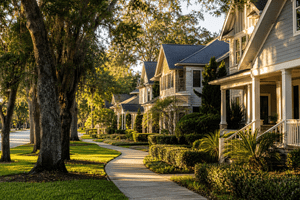
When it comes to selling a home, first impressions make a huge difference — sometimes you only get one shot to convince a buyer to look past the yard and step inside. Curb appeal, the aesthetic impression your home's exterior makes from the street, is often what decides whether a buyer gets out of the car at all, or scrolls past your listing photos without a second look.
Think Like a Buyer Before You Start
Stand outside your property and look at it the way a stranger would on their first visit. What's the first thing you notice? What would make you want to see more — or turn around? A few things matter more than people expect:
Finish what you started. An unfinished exterior project — a half-painted fence, a stalled landscaping job — makes buyers wonder what else around the house has been left undone, even if that's not fair.
Check how your home looks at night, not just during the day. Many buyers drive by in the evening before ever scheduling a showing. Good exterior lighting improves both evening curb appeal and a sense of safety.
Don't assume a tight budget rules out real improvement. Buyers notice small things — a decluttered yard, hidden trash cans, an updated mailbox, a freshly painted fence — and those cost little compared to their impact.
Clean Up First
Before any upgrades, start with the basics:
Driveways and walkways — sweep away dirt and debris, and repair or resurface any cracked concrete or pavers.
Front door — clean and polish it, since it's the focal point buyers walk straight through. A fresh coat of paint, especially in a color that contrasts with the exterior, is one of the highest-impact, lowest-cost updates available.
Windows and exterior walls — wash windows inside and out, and consider a power wash for siding, driveways, and walkways to remove grime and mildew buildup.
Exterior lighting — clean fixtures, replace burned-out bulbs, and swap anything outdated or corroded.
Garbage cans and eyesores — tuck away bins, hoses, and toys, or screen them with fencing or plants so buyers focus on the home, not the clutter.
Keep the Landscaping Sharp
A green, tended lawn reads as a well-maintained home. Water regularly, patch bare spots with sod rather than seed if you need results before a showing, and clear out weeds, dead plants, and fallen branches around the yard, driveway, and flower beds. Trim overgrown trees and shrubs, especially anything shading or obscuring the front of the house, and add a fresh layer of mulch to garden beds for an easy visual upgrade.
Fix It and Add Color
Fence — repair and repaint as needed, and trim back anything overgrown nearby.
Mailbox — replace it if it's rusted, dented, or wobbly; a fresh coat of paint is a low-cost alternative if a full replacement isn't necessary. Check USPS standards before making changes.
Garage door — often a large share of what's visible from the street. Clean it, fix any dents, and repaint if it's faded or a mismatched color — many sellers shift it to match the front door or siding.
Roof — visible in listing photos and aerial shots, so a pressure clean and repair of any broken or missing shingles (plus clogged gutters) goes a long way.
Potted plants and flowers — an easy, seasonal way to add color near the entryway, garage, and front porch.
Small Details, Real Impact
Swap dated door hardware — handles, knockers, doorbells, gate and garage hardware — for something modern. It's inexpensive and takes an afternoon.
Update your house numbers if they're faded, mismatched, or missing.
Replace a worn welcome mat — cheap, fast, and genuinely noticeable.
Stage the front porch with a bench, a small table, or an outdoor rug to make the entry feel warm rather than bare.
Seasonal Timing Matters
Spring tends to be the busiest home-selling season in most markets, which makes it a natural time to lean into blooming flowers, green lawns, and lush landscaping — but the fundamentals above apply year-round, not just in spring. If you're listing in another season, focus on what's seasonally realistic (holiday lighting in winter, tidy leaf cleanup in fall) rather than forcing spring-specific projects.
A Word on Budget and Priority
You don't need to do everything on this list before you list. Start with cleanup and small fixes — they're the cheapest and often the highest-impact. Save bigger investments (a new garage door, major landscaping, roof repair) for situations where the current state is genuinely holding back your home's first impression. Get professional help for anything involving electrical work, structural fencing, or major landscaping changes.
Ready to Get Your Home Show-Ready?
We can walk your property with you, point out what's actually worth fixing before you list, and help you prioritize based on your budget and timeline.
Give us a call at 904-503-0672 or email info@crossviewrealty.com. You can also learn more at crossviewrealty.com.
Frequently Asked Questions
Q: What is curb appeal in real estate? A: Curb appeal is how attractive a home looks from the street — its exterior condition, landscaping, and overall first impression. It's often what decides whether a buyer gets out of the car for a showing or scrolls past a listing online.
Q: What are the cheapest ways to improve curb appeal before selling? A: Decluttering the yard, hiding trash cans and eyesores, power washing the driveway and siding, repainting the front door, updating the mailbox and house numbers, and adding potted plants are all low-cost projects with real visual impact.
Q: Is curb appeal more important in spring? A: Spring is typically the busiest home-selling season, and blooming landscaping naturally boosts curb appeal, but the core fundamentals — clean exterior, tidy yard, functional lighting, fresh paint where needed — matter in every season.
Q: Should I replace my garage door before selling? A: It depends on its condition. A garage door makes up a large share of many homes' street-facing exterior, so if it's faded, dented, or clearly dated, repainting or replacing it can meaningfully improve first impressions — but it's a bigger investment than most items on this list, worth discussing with your agent first.
Q: How do I know which curb appeal projects to prioritize on a limited budget? A: Start with cleanup — decluttering, power washing, lawn care — since it's cheapest and highest-impact. From there, prioritize whatever's actively hurting your home's first impression (a damaged front door, an overgrown yard) over cosmetic extras. A walkthrough with your agent can help you separate must-dos from nice-to-haves.