Why You Must Have Flood Insurance Even If You Don't Live In A Flood Zone
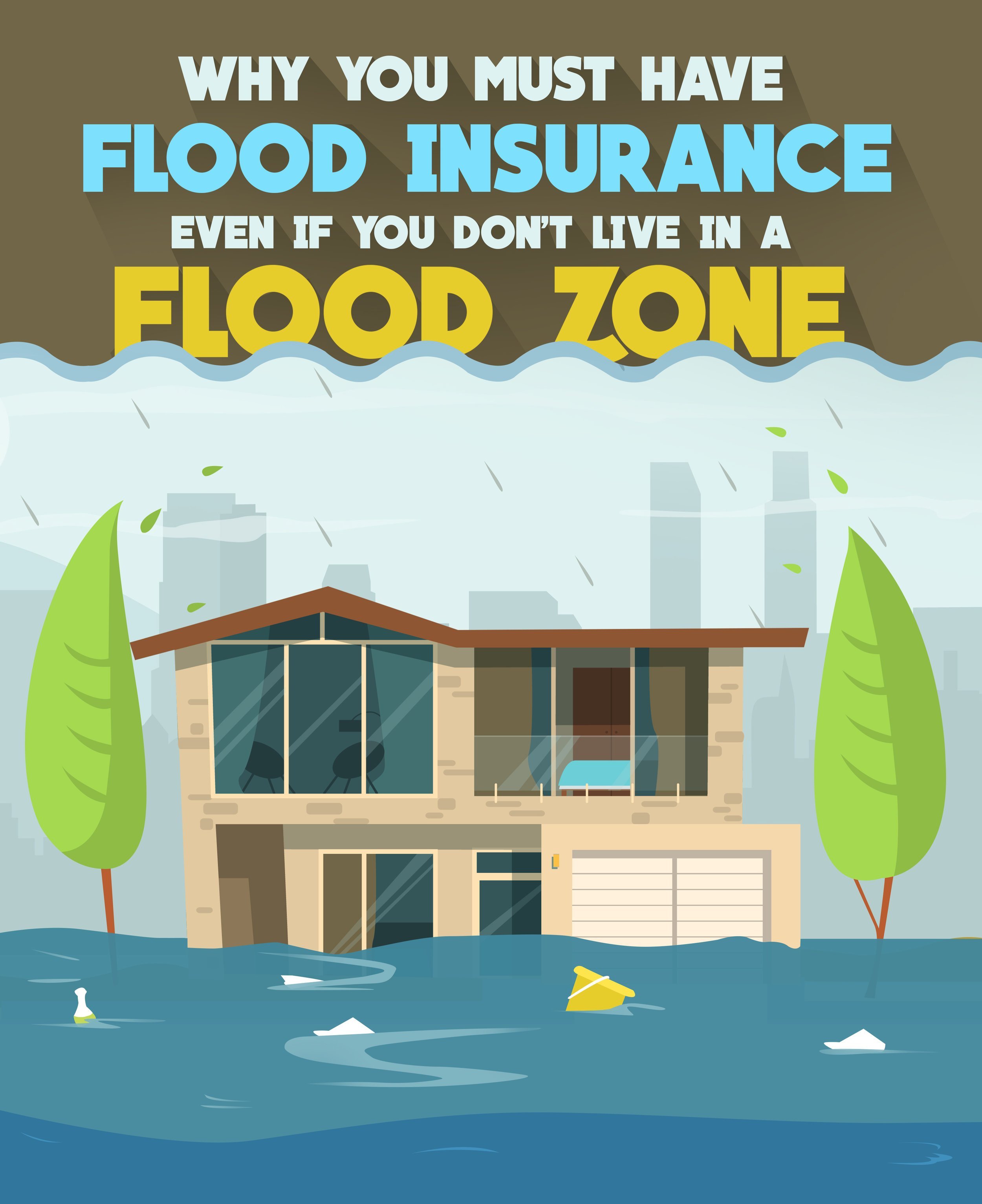

No home is completely safe from flooding, according to FEMA — and without flood insurance, homeowners are left paying out of pocket or taking out loans to repair the damage. It can take less than a month to close on a home. Rebuilding it after flood damage can take months or years. Here are five reasons flood insurance is worth having, even if your home isn't in a high-risk zone.
1. Your Standard Homeowner's Insurance Doesn't Cover Flood Damage
This catches more homeowners off guard than almost anything else in their policy. A standard homeowner's insurance policy excludes flood damage entirely — it's treated as a separate risk, covered only by a dedicated flood policy. If your regular insurer tells you you're covered "for water damage," ask specifically whether that includes flooding, because in most standard policies, it doesn't.
Since a standard policy won't cover it, flood coverage comes through the National Flood Insurance Program (NFIP), a federally backed program, or through a private flood insurer. NFIP's standard coverage caps out at $250,000 for your home and $100,000 for its contents — if a property is worth more than that, private flood insurance can cover the gap above the NFIP limit.
2. You Don't Have to Live Near Water to Be at Risk
It takes just one inch of water to cause an estimated $25,000 in damage to a home, per FEMA. You can live miles from the nearest floodplain, in an area your lender considers low-risk, and still end up filing a flood claim — a meaningful share of NFIP claims come from properties outside officially high-risk flood zones every year.
Lenders typically require flood insurance for homes in high-risk zones. For everyone else, it's optional — but "optional" doesn't mean "unnecessary." For a full breakdown of what flood zones actually mean for your specific property, see Buying a Home in a Flood Zone in Florida.
3. Flood Maps Change
FEMA updates its flood maps periodically as flood patterns shift and new data comes in. A property that wasn't in a high-risk zone when you bought it can be recategorized later — flood risk isn't fixed just because your closing disclosures said "low risk" five or ten years ago. Check your current designation any time at FEMA's Flood Map Service Center, and ask your insurance agent to revisit your coverage periodically rather than assuming it's still accurate.
4. Floods Are the Most Common Weather Emergency — And They Don't Need a Hurricane
Flooding can come from hurricanes and tropical storms, but also from plain heavy rain, clogged or overburdened drainage systems, winter storms, or nearby construction that changes how water moves across a property. It doesn't take a named storm or a federal disaster declaration for flood damage to happen — and flood insurance pays out regardless of whether a Presidential Disaster Declaration is issued.
5. There's a 30-Day Waiting Period
You can't buy flood insurance the week a storm is forecast and expect it to help. Most NFIP policies have a 30-day waiting period between purchase and when coverage takes effect, so the policy needs to be in place at least a month before you'd need to file a claim. The main exception is a policy required as a condition of closing on a home purchase, which can take effect immediately at closing.
The Bottom Line
Flood insurance premiums vary based on a property's elevation, age of construction, and flood risk — ask your insurance agent for a current quote on any specific property rather than relying on a general average, since pricing has changed significantly in recent years. If your home is worth more than NFIP's $250,000/$100,000 coverage limits, private flood insurance can cover the difference.
If you're ever hit by flood damage without coverage, FEMA disaster grants or SBA loans may be available — but they're not designed to bring a home back to its pre-disaster condition the way insurance is. For your largest financial investment, that gap is worth avoiding.
Not Sure If You Need Flood Insurance?
We can help you figure out your property's flood risk and connect you with an insurance agent who can quote your actual coverage options — not just a national average.
Give us a call at 904-503-0672 or email info@crossviewrealty.com. You can also learn more at crossviewrealty.com.
Frequently Asked Questions
Q: Does homeowner's insurance cover flood damage? A: No. Standard homeowner's insurance policies exclude flood damage. Coverage requires a separate flood insurance policy, either through the National Flood Insurance Program (NFIP) or a private flood insurer.
Q: Do I need flood insurance if I'm not in a flood zone? A: It's not required by most lenders outside high-risk zones, but it's worth considering. A meaningful share of flood claims come from properties outside officially high-risk zones, and flood maps can change over time.
Q: How much does flood insurance cover? A: Standard NFIP coverage caps at $250,000 for the structure and $100,000 for its contents. If your home is worth more than that, private flood insurance can cover the amount above NFIP's limit.
Q: How soon does flood insurance coverage start after I buy a policy? A: Most policies have a 30-day waiting period before coverage takes effect, so you can't wait until a storm is forecast to buy protection. The exception is a policy required as a condition of closing on a home, which can take effect at closing.
Q: What happens if my home floods and I don't have flood insurance? A: You may be eligible for a FEMA disaster grant or an SBA loan, but these aren't designed to fully restore a home to its pre-disaster condition the way insurance is — they're a partial safety net, not a replacement for coverage.