Buying a Historic Home in Jacksonville, Florida: What Every Buyer Needs to Know
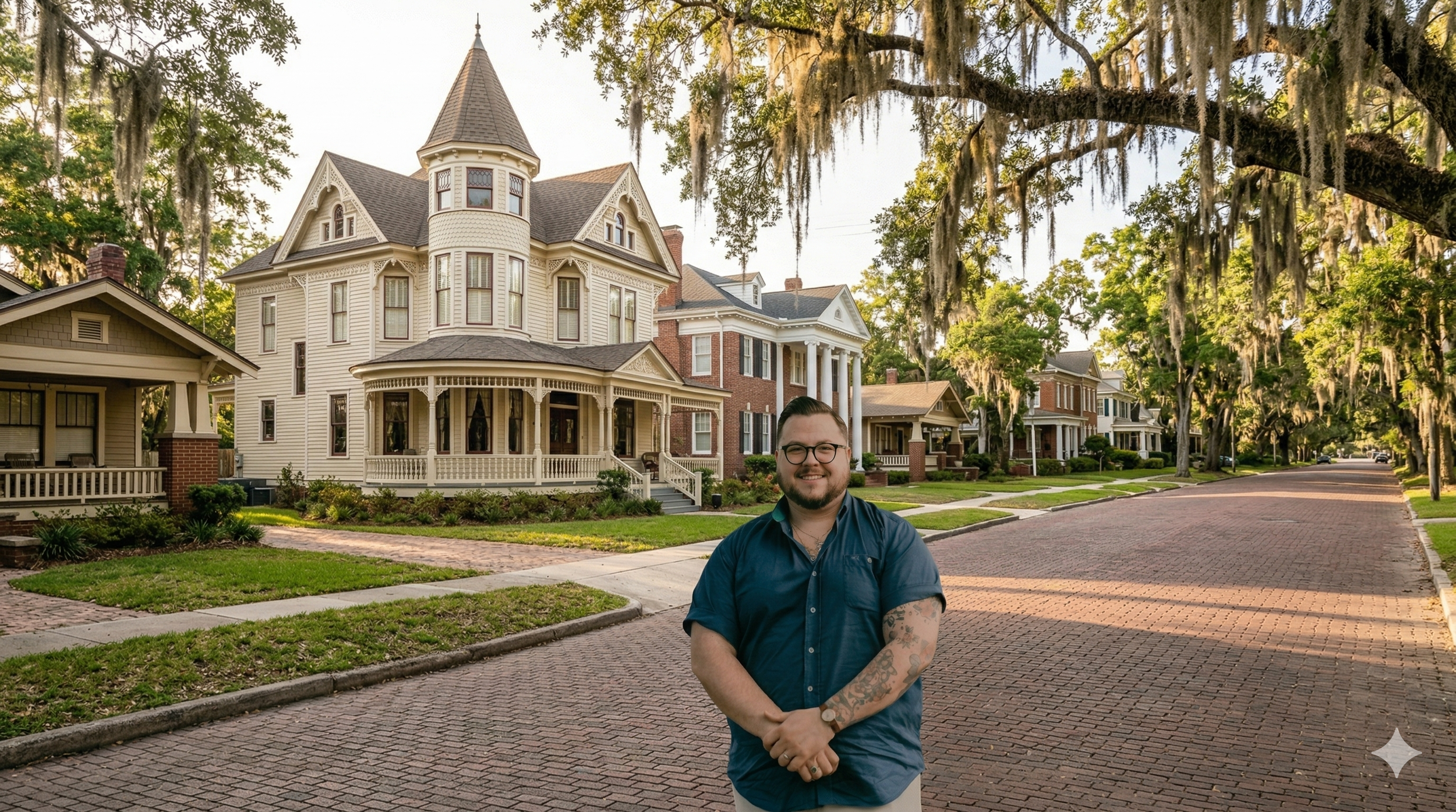
Thinking about buying a historic home in Jacksonville, FL?
Jacksonville is home to seven National Register historic districts, each with its own architectural character, renovation rules, and lifestyle perks. Buying in one of these neighborhoods is exciting — but it's not the same as buying a standard resale home, and having the right agent and the right information makes all the difference.
Why Jacksonville Is One of Florida's Best Cities for Historic Homes
Most people think of Jacksonville as a beach and suburbs kind of city. And it is. But what often surprises buyers — especially those relocating — is how much historic architecture exists here.
Jacksonville was founded in 1822, and its urban core has been shaped by everything from the steamboat era to the Great Fire of 1901 to the Florida Land Boom of the 1920s. That history left behind neighborhoods full of Craftsman bungalows, Mediterranean Revival estates, Prairie-style homes, Colonial Revivals, Queen Anne Victorians, and Tudor cottages. You won't find that kind of variety in most Florida cities.
And unlike some historic markets where prices start at seven figures, Jacksonville's historic districts offer a wide range — from affordable fixer-uppers in Springfield and Lakeshore to stately riverfront properties in Riverside, Avondale, and Ortega.
Where to Find Historic Homes for Sale in Jacksonville, FL
If you're searching for historic homes in Jacksonville, these are the neighborhoods and districts you'll want to explore:
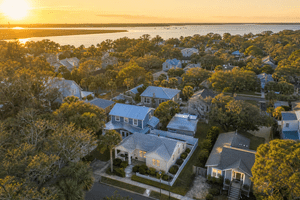
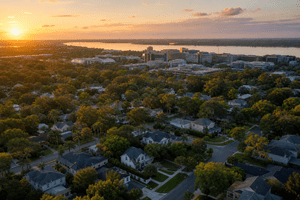
Riverside — One of the largest historic districts in the country. Located along the St. Johns River just west of downtown, Riverside features an impressive collection of early 20th-century bungalows, Craftsman homes, and apartment buildings. The Five Points and King Street areas add walkability, dining, and nightlife. Riverside was added to the National Register of Historic Places and remains one of Jacksonville's most sought-after neighborhoods.
Avondale — Adjacent to Riverside and part of the same National Register district, Avondale is known for its tree-lined streets, Mediterranean Revival architecture, and the Shoppes of Avondale. Homes here tend to be larger and reflect the prosperity of the 1920s Florida Land Boom.
Springfield — Established in 1869 just north of downtown, Springfield is Jacksonville's oldest residential neighborhood and the first federally designated historic district in the city. You'll find grand Victorians, Colonial Revivals, and restored bungalows throughout the neighborhood. Springfield has earned recognition as one of the South's top comeback neighborhoods for its active preservation community and revitalization efforts.
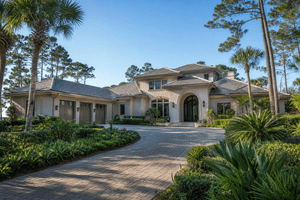
Ortega — Sitting along the St. Johns River south of Avondale, Old Ortega features a mix of Spanish Colonial estates, waterfront properties, and postwar bungalows. With over 600 contributing structures, the Old Ortega Historic District was added to the National Register in 2004.
San Marco — Known for its blend of historic elegance and modern convenience, San Marco offers grand riverfront homes and charming bungalows along tree-lined streets near boutique shopping and dining.
Murray Hill and Lakeshore — These neighborhoods offer more affordable entry points into historic home ownership. You'll find cottage-style homes, Spanish-influenced bungalows, and smaller Craftsman houses — often with serious fixer-upper potential.
What Makes Buying a Historic Home Different
Here's the deal. A historic home purchase in Jacksonville isn't just about aesthetics. There are real, practical differences that affect your inspection, your renovation plans, your insurance, and even which contractors you can use.
The Certificate of Appropriateness (COA)
If a property sits within one of Jacksonville's locally designated historic districts, any exterior work requires an approved Certificate of Appropriateness before you can even pull a building permit. That includes windows, siding, fencing, driveways, roofing materials, additions — even sheds. Some changes can be approved administratively by the city's Historic Preservation Section. Others — like street-visible additions, window replacements, new construction, or demolition — go before the Jacksonville Historic Preservation Commission for review.
This is one of the biggest surprises for first-time historic home buyers. You can't just swap out your original wood windows for vinyl or add a modern addition without approval. The design guidelines exist to preserve the character of the neighborhood, and they're enforced.
Contributing vs. Non-Contributing Structures
Properties within historic districts are classified as either "Contributing" or "Non-Contributing." A contributing structure is one that adds to the historic character of the district, and it carries stricter preservation expectations. Non-contributing properties have more flexibility, but exterior work still requires a COA if the property is within a locally designated district. Your agent should be able to help you determine a property's classification before you make an offer.
Lead-Based Paint
Any home built before 1978 may contain lead-based paint — and most historic homes in Jacksonville were built well before that cutoff. Federal law requires sellers to disclose any known lead-based paint or hazards, provide an EPA-approved informational pamphlet, and give buyers a 10-day window to conduct a lead-based paint inspection. Florida enforces this requirement, and it applies to every pre-1978 residential sale. This isn't something to skip. If you're buying a historic home, especially one that needs renovation, understanding the lead paint situation upfront is essential.
Insurance and Inspections
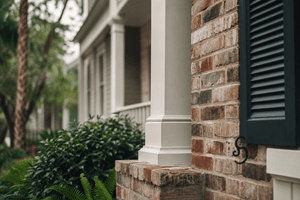
Historic homes often require specialized insurance policies, particularly if the home has original materials that would be costly to replace in kind. Standard replacement-cost policies may not account for the expense of matching historic millwork, plaster walls, or original hardwood. You'll also want an inspector who understands older construction — knob-and-tube wiring, clay or cast iron plumbing, pier-and-beam foundations, and other systems that are common in pre-war homes but unfamiliar to inspectors who primarily work with newer construction.
Renovation Contractors
Not every contractor is the right fit for a historic home. Renovating within a historic district often requires working with craftspeople who understand period-appropriate materials, restoration techniques, and the COA approval process. Neighborhood organizations like Riverside Avondale Preservation (RAP) and Springfield Preservation and Revitalization (SPAR) are great community resources — their members often share contractor recommendations and firsthand experience navigating renovation projects in these districts.
Why You Need an Agent Who Understands Historic Homes
This is where having the right real estate agent matters more than usual. A standard home search in Jacksonville is one thing. Buying a historic home requires someone who understands contributing structure classifications, COA requirements, the nuances of older construction, and the lifestyle that comes with living in a preservation district.
At CrossView Realty, we have team members who are genuinely drawn to these properties — not because it's a niche to fill, but because they love the craftsmanship, the character, and the stories these homes carry. Bige Wade is one of those people. He has a real passion for Jacksonville's historic neighborhoods and the unique homes within them, and he's the kind of agent who'll walk you through what a COA means for your renovation plans before you ever write an offer.
Buying a historic home isn't harder than buying any other home. It's just different. And the right agent makes that difference feel manageable instead of overwhelming.
Ready to Explore Jacksonville's Historic Districts?
Whether you're drawn to a 1920s bungalow in Springfield, a riverfront estate in Ortega, or a Craftsman cottage in Riverside, we'd love to help you find a historic home that fits your life. Give us a call at 904-503-0672, send us an email at info@crossviewrealty.com, or visit us at crossviewrealty.com to start the conversation.
Frequently Asked Questions
Q: What historic districts in Jacksonville, FL have homes for sale? A: Jacksonville has seven National Register historic districts, including Riverside, Avondale, Springfield, Old Ortega, Downtown, Durkee Gardens, and the Edward Waters University campus. Riverside, Avondale, Springfield, and Ortega are where you'll find the most active residential real estate market for historic homes.
Q: Do I need special approval to renovate a historic home in Jacksonville? A: If your property is within a locally designated historic district, yes. You'll need an approved Certificate of Appropriateness (COA) for any exterior work — including windows, siding, roofing, fencing, and additions — before a building permit can be issued. Some work is approved administratively, while larger projects go before the Jacksonville Historic Preservation Commission.
Q: Is lead-based paint a concern when buying a historic home in Jacksonville, FL? A: It can be. Any home built before 1978 may contain lead-based paint, and federal law requires sellers to disclose known information about it. Buyers have a 10-day window to conduct a lead paint inspection. If the home needs renovation, understanding the lead situation before closing is especially important.
Q: How do I find a real estate agent who specializes in historic homes in Jacksonville? A: Look for an agent who understands the COA process, contributing vs. non-contributing structures, older construction systems, and the preservation guidelines that apply in Jacksonville's historic districts. CrossView Realty has agents with a genuine passion for historic homes — call us at 904-503-0672 to connect with someone who knows these neighborhoods well.
Q: Are historic homes in Jacksonville, Florida more expensive to insure? A: They can be. Replacement costs for original materials like historic millwork, plaster, and period-specific finishes are often higher than standard construction materials. It's worth shopping for a policy that accounts for the true cost of restoring — not just replacing — your home's unique features.