Should I Buy an Older Home?
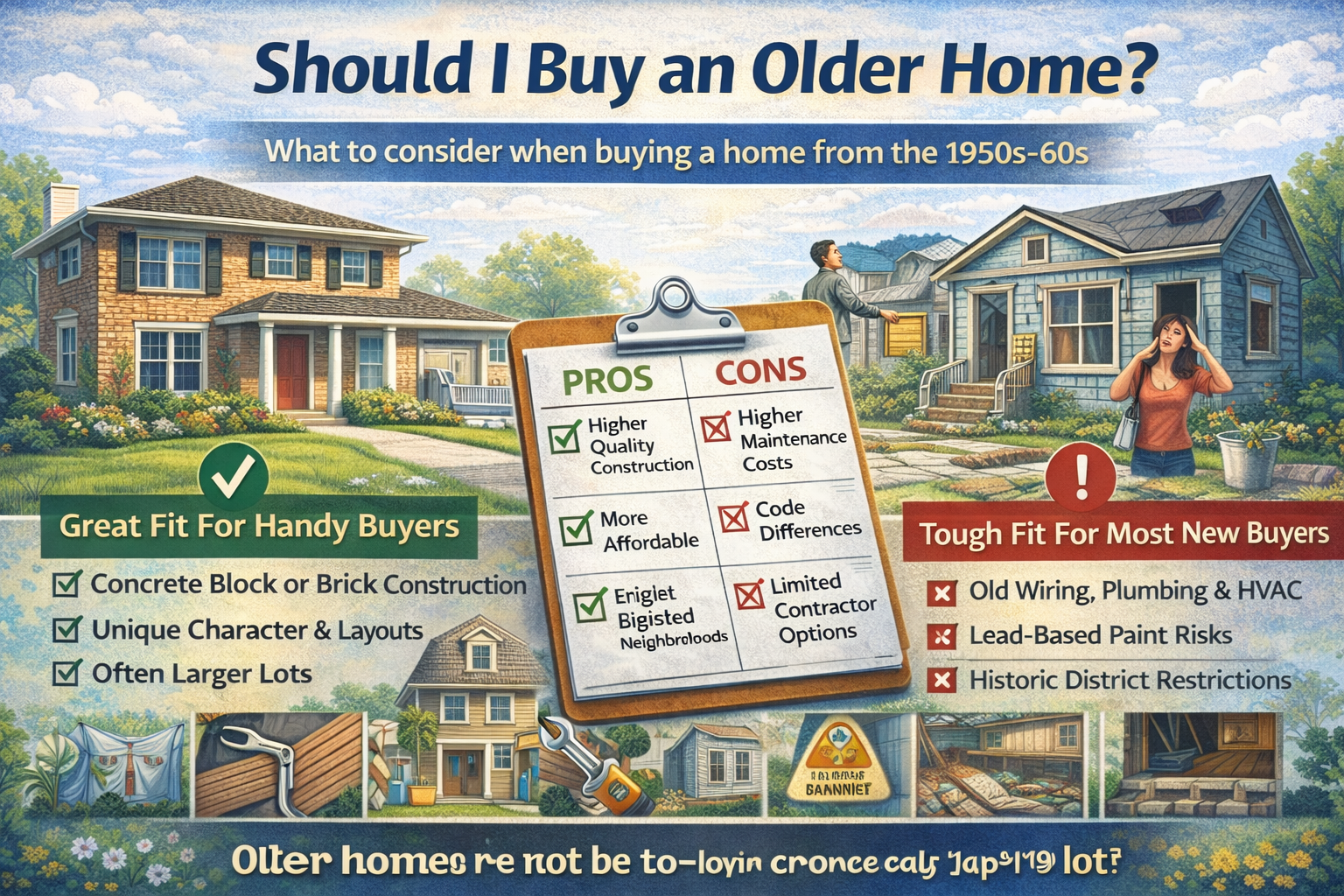
Should you buy an older home—something built in the 1950s or 1960s?
The honest answer is: it depends on you as a buyer.
Your skills, your budget, your tolerance for maintenance, and what you value in a home all matter here.
Let’s break this down realistically.
Older Homes Can Be a Great Fit—For the Right Buyer
If you’re someone who:
Is handy
Knows how to maintain a home
Is comfortable fixing things over time
Or is willing to learn
Then yes — an older home can be a fantastic option.
In many parts of town, especially in established neighborhoods, it’s hard to find anything that wasn’t built decades ago. And those homes often come with:
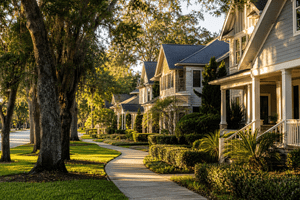
Larger lots
Mature trees
Unique layouts
Architectural character you simply don’t see today
In many cases, the quality of construction was also better. Older homes are more likely to be:
Concrete block or brick
Built with heavier materials
Less dependent on frame and stucco construction common today
For buyers who appreciate character and craftsmanship, older homes can be incredibly appealing.
When an Older Home Is Probably Not a Good Idea
If you:
Have never owned a home before
Aren’t handy
Don’t want ongoing maintenance
Are tight on budget
Or don’t have time to manage repairs
An older home may not be the best fit.
Older homes are not built to today’s code, and that matters.
For example:
No GFCI outlets in the kitchen doesn’t mean the seller has to install them
Older wiring may still exist, even if new wiring was added later
Plumbing lines may be capped instead of fully replaced
Unless an area has been remodeled, it doesn’t have to meet modern code standards.
Common Issues You’ll See in Older Homes
Buying an older home means you need to be comfortable with things like:
Galvanized plumbing
Older or cloth wiring
Roofs and HVAC systems nearing the end of their lifespan
Homes originally built without central AC
Crawl spaces instead of slabs
You may see:
Old pipes capped off instead of removed
Updated fixtures connected to older systems
Window units added before central AC was common
None of this is necessarily wrong — but it’s different.
Historic Districts Add Another Layer
In places like Jacksonville and St. Augustine, historic districts deserve special attention.
If a home is designated historic:
You can’t freely replace windows or exterior features
Changes often require approval
Materials must match the original style
That means:
Higher costs
Specialized contractors
Longer timelines
Vendors who work on historic homes often charge significantly more than those working on non-historic properties.
Lead-Based Paint Is a Real Consideration
Anything built before 1978 may contain lead-based paint.
That doesn’t automatically mean danger — but it does mean:
Disclosure requirements
Limited contractor options
EPA-certified vendors for certain work
Higher renovation costs
This is especially important if you’re planning renovations or have young children.
So… Should You Buy an Older Home?
An older home might be right for you if:
You’re handy or willing to learn
You like character and uniqueness
You’re okay with homes not being up to today’s code
You want a specific area or style that newer homes can’t offer
An older home is probably not right if:
You want move-in ready
You don’t want repairs
You’re on a tight budget
You don’t have time or interest in maintenance
Final Takeaway
Buying an older home isn’t good or bad — it’s about fit.
You just need to:
Know what you’re getting into
Understand the pros and cons
Be honest about what you can handle
And decide what matters most to you
If you’re considering an older home in Jacksonville, St. Augustine, or anywhere in Duval, Clay, or St. Johns County, CrossView Realty is here to help you navigate those decisions.
Give us a call at 904-503-0672 or email info@crossviewrealty.com. We’re happy to walk homes with you, explain what you’re seeing, and help you decide whether an older home truly fits your lifestyle and budget.